Structural Drying and Dehumidification in West Covina
Water that soaks into framing, subfloor and drywall stays long after the surface looks dry. Air movers, dehumidifiers and moisture meters work together until every wet material is back to normal levels.
(888) 563-9619Dry the wet structure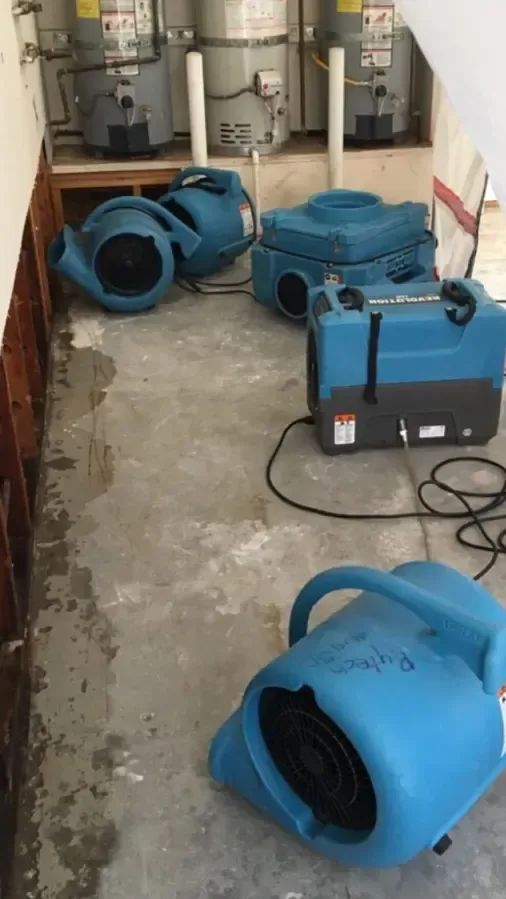
First steps for structural drying and dehumidification
- 1
Classify the loss
Water category and drying class are named.
- 2
Place equipment
Air movers and dehumidifiers match the wet area.
- 3
Read and adjust
Meters direct each visit and equipment is moved.
- 4
Confirm dry
Final readings match normal levels.
Useful details for the first call
- Which rooms are wet, and whether a unit or room below is affected
- Whether the water looks clean, gray or like sewage
- When it started and whether the shutoff is closed
How structural drying and dehumidification is held to a standard
Dispatch at any hour
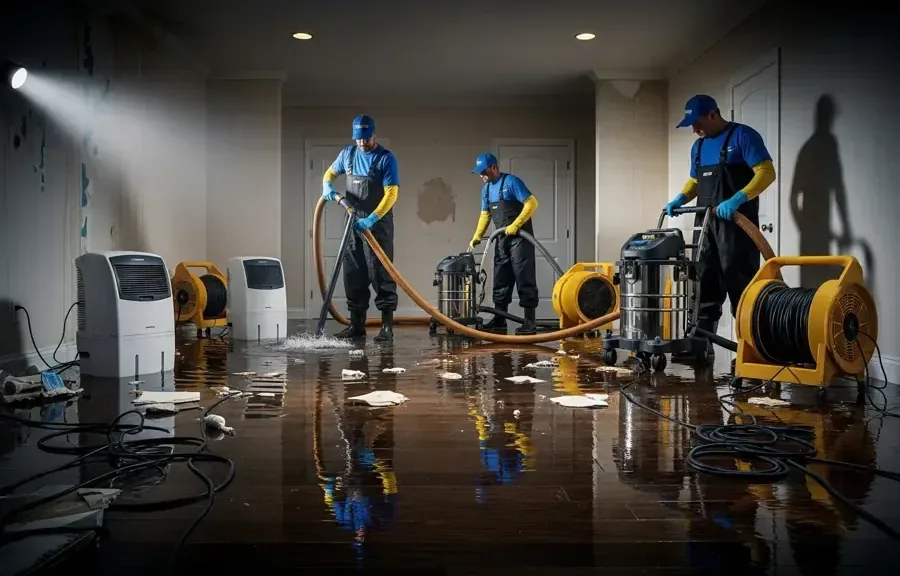
Active water is treated as urgent at night, on weekends and on holidays, with extraction gear and meters on the truck.
IICRC S500 drying
Structural drying sized to the class of loss; the equipment stays until the readings say dry.
A claim file from day one
Moisture map, daily psychrometric logs and timestamped photos taken before anything is removed.
Built for slab homes
Slab-on-grade floors, hillside lots and stacked units each hide water in different places.
What does structural drying and dehumidification cost in West Covina, CA?
Structural drying typically costs $1,000 to $2,500 for Class 1 or 2 in one area, $2,500 to $6,000 for Class 2 or 3 across several rooms, and $6,000 to $12,000 for Class 4 dense materials.
Class 1 or 2, one area
- Small wet area of one room
- A few air movers
- One dehumidifier and readings
Class 2 or 3, several rooms
- Several rooms wet
- More air movers placed
- Wall cavities opened
Class 4, dense materials
- Hardwood, concrete or thick framing
- Specialty drying methods
- Longer monitoring period
Ranges are typical, not a quote: the water category, square footage, material class and how fast drying started move the number most. The water damage cost calculator gives a closer planning range.
How the structural drying and dehumidification job runs
The walkthrough maps moisture before any equipment goes down, so the drying plan matches what is actually wet.
Classification
The water type and drying class are set.
Setup
Air movers and dehumidifiers are placed.
Monitoring
Readings are logged each visit.
Release
Equipment leaves after final readings.
Structural drying is the part of a water loss that cannot be seen. After the standing water is gone, the framing, subfloor and drywall still hold moisture, and it moves out slowly. The IICRC S500 standard sorts water into categories and drying into classes, and the equipment plan follows from those two choices.
Categories and classes
- Category 1 water comes from a clean source
- Category 2 water carries some contamination
- Category 3 water is grossly contaminated
- Classes 1 to 4 rate how much material is wet
A clean pipe break and a sewage backup need very different handling even when the wet area looks alike. Contaminated water is covered under sewage backup cleanup.
How equipment is placed
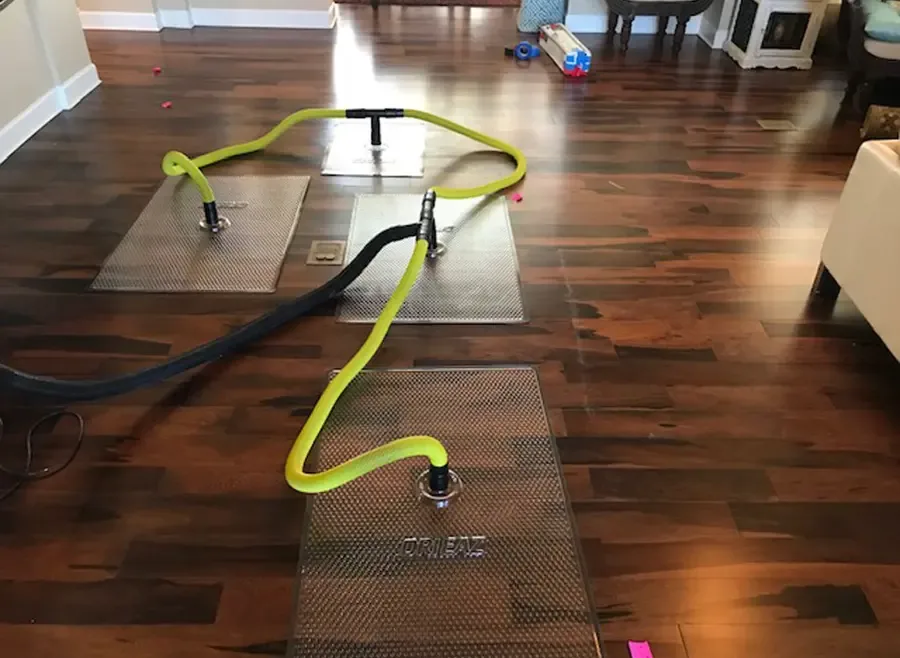
Air movers are set to push dry air across wet surfaces, and dehumidifiers pull the released moisture out of the air so it does not settle back into the materials. Wall cavities may be drilled or opened so air can reach the framing, and wet carpet padding is removed rather than dried. Moisture meters are read at marked points each visit, which shows whether the structure is trending toward normal.
When drying is finished
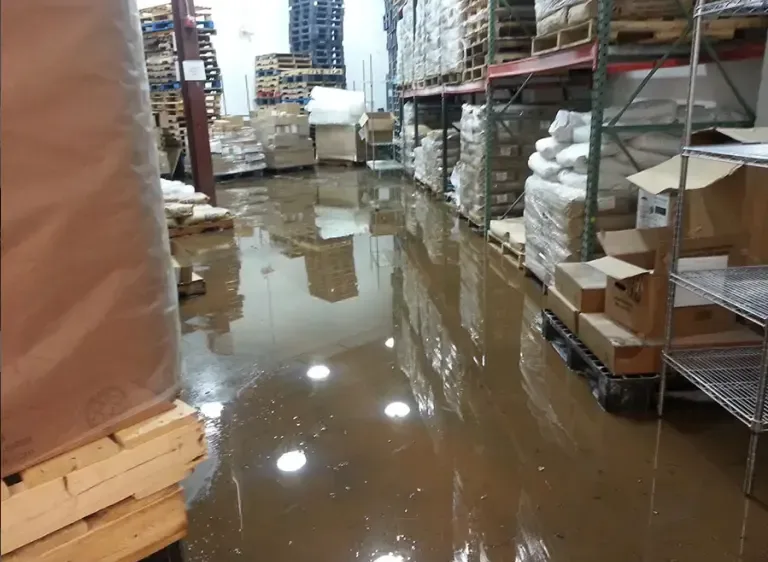
Drying ends when readings in framing, subfloor and drywall match normal levels, not when a set number of days has passed. Equipment stays until then, and the final readings go in the record. Standing water comes out first through water extraction.
Structural drying and dehumidification across West Covina and nearby communities
Drying crews work in ZIP codes 91790, 91791, 91792 and 91793, from houses in South Hills and Woodside Village to apartments, offices and the shopping centers and hospital campus found across the city.
The same service nearby: structural drying and dehumidification in Rowland Heights, La Puente, Walnut.
Structural Drying and Dehumidification questions in West Covina, CA
Why does drying take longer than extraction?
Extraction removes water that can be pumped. Drying has to pull out moisture bound inside framing, subfloor and drywall, which leaves the material slowly.
How is a dry structure confirmed?
Moisture meters are read against a dry reference, and drying is finished when framing, subfloor and drywall match normal levels.
Do the dehumidifiers make the house hot or loud?
Equipment does add heat and noise while it runs, which is part of the process, and the setup is adjusted as readings improve.
Can mold start while drying is underway?
Mold can begin to grow within 24 to 48 hours in damp materials, so equipment is placed as soon as the water is out.
Is drying needed when the surface looks dry?
Often yes. A surface can look dry while the wall base or subfloor beneath it stays wet.
Does insurance pay for drying equipment?
Equipment time is usually part of a covered water loss claim, and the drying log shows the dates, the readings and the equipment used.
Moisture left behind keeps causing damage
Calls are taken at any hour. Say what was wet and how long it sat, and the plan starts with classifying the water, placing equipment and reading the structure.