Emergency Water Extraction in Rowland Heights, CA
Standing water on a slab floor spreads under walls, cabinets and pad within hours. The extraction crew pulls it out with truck-mounted and portable units, then sets drying equipment to finish the job.
(888) 563-9619Standing water inside? Get the pumps rolling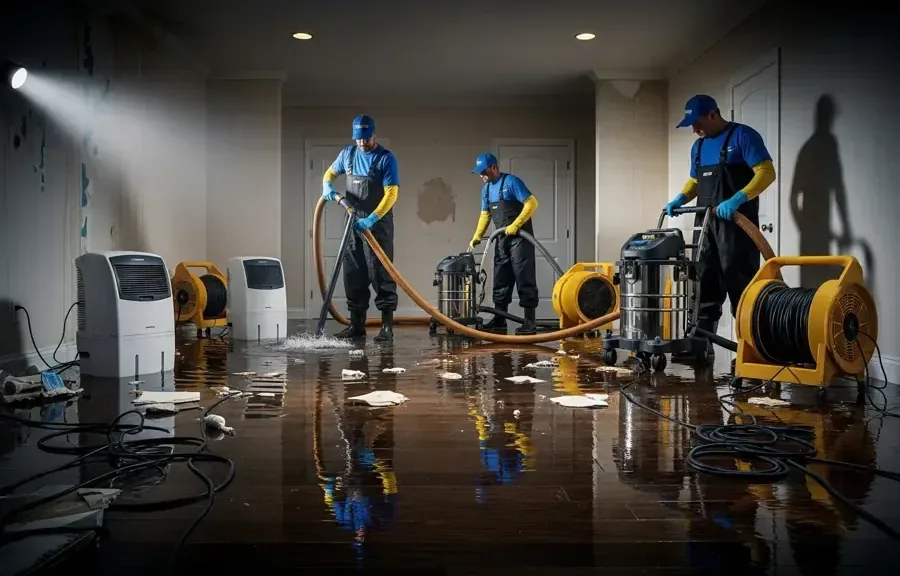
First steps for emergency water extraction
- 1
Stop the source
Close the main shutoff or the fixture valve so no new water reaches the floor.
- 2
Kill wet circuits
Turn off breakers for wet rooms from a dry spot only.
- 3
Clear the floor
Lift rugs, cords, boxes and furniture legs off the wet floor.
- 4
Take photos
Shoot every wet room and the source before anything is moved.
Useful details for the first call
- Which rooms are wet, and whether a unit or room below is affected
- Whether the water looks clean, gray or like sewage
- When it started and whether the shutoff is closed
How emergency water extraction is held to a standard
Dispatch at any hour
Active water is treated as urgent at night, on weekends and on holidays, with extraction gear and meters on the truck.
IICRC S500 drying
Structural drying sized to the class of loss; the equipment stays until the readings say dry.
A claim file from day one
Moisture map, daily psychrometric logs and timestamped photos taken before anything is removed.
Built for slab homes
Slab-on-grade floors, hillside lots and stacked units each hide water in different places.
What does emergency water extraction cost in Rowland Heights, CA?
Water extraction on its own typically runs $300 to $1,500 for one or two rooms, and most jobs bundle it with drying for $1,500 to $6,000. The water category, the wet square footage and the flooring decide where a job lands.
Single room extraction
- One room of clean water
- Truck-mounted or portable unit
- Moisture readings after
Extraction plus drying
- Two to four rooms
- Pad or baseboards removed if needed
- 3 to 5 days of drying
Large or contaminated loss
- Most of a floor or Category 3
- Containment and PPE
- Porous materials removed
Ranges are typical, not a quote: the water category, square footage, material class and how fast drying started move the number most. The water damage cost calculator gives a closer planning range.
How the emergency water extraction job runs
The walkthrough maps moisture before any equipment goes down, so the drying plan matches what is actually wet.
Walkthrough
Meters and a thermal camera map the wet area.
Bulk extraction
Truck-mounted units pull the standing water.
Pad and carpet
Weighted tools press water out of pad.
Set drying
Air movers and LGR dehumidifiers go in.
Extraction is the step that decides how long everything else takes. Water left standing on a slab floor in Rowland Heights does not soak down into the concrete quickly; it moves sideways under baseboards, into the bottom of drywall and up into cabinet toe kicks. Every gallon pulled out as liquid is a gallon the dehumidifiers never have to pull out of the air.
How standing water is removed
The crew starts with the biggest volume: truck-mounted extraction with long hose runs pulls water from tile, vinyl and carpet fast. Weighted extraction tools press water out of carpet pad, and portable units reach upstairs rooms and tight spaces the truck hoses cannot. Squeegees push water off garage floors and out of door thresholds before any drying equipment goes down.
After the water is out
- Moisture mapping with pin and pinless meters and a thermal camera to find water that moved under flooring
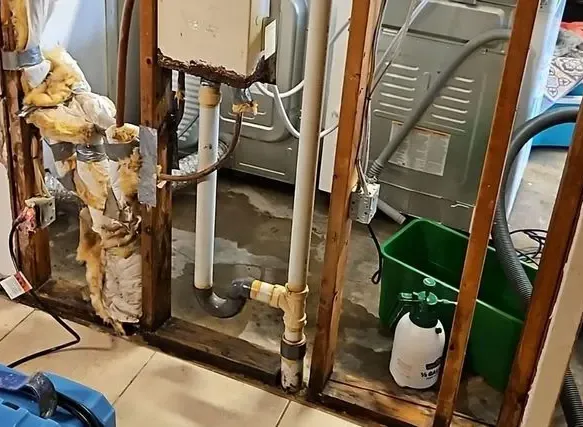
- Baseboards pulled and small holes drilled where water is trapped in the wall cavity
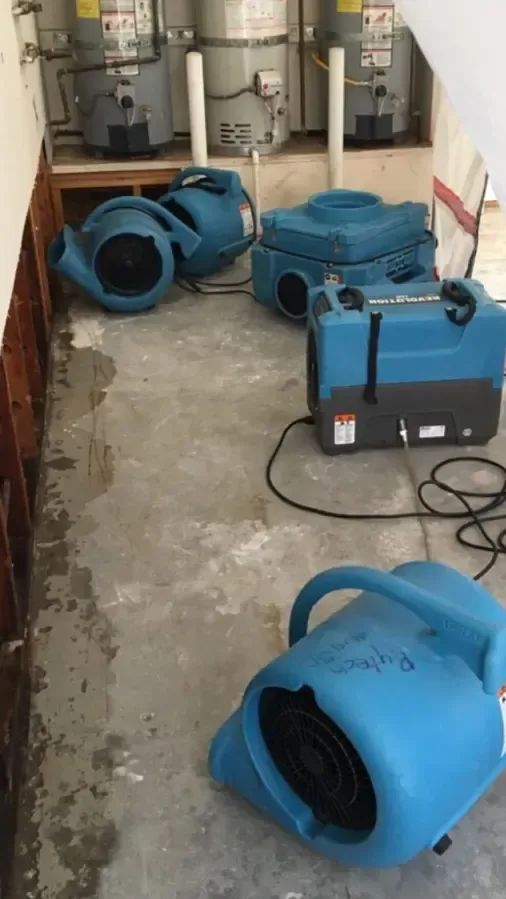
- Air movers and LGR dehumidifiers sized to each room, running 24/7
- Daily readings until wet materials match a dry reference
Clean, gray or black water
Clean water from a supply line can often be extracted and dried in place. Gray water from a washer or dishwasher means pad usually comes out. Sewage or storm runoff is Category 3 and calls for containment and removal of porous materials. Ready.gov flood safety advice covers staying safe around floodwater, and the EPA WaterSense leak checks help stop small leaks before they turn into an extraction job.
Emergency water extraction across Rowland Heights and nearby communities
The restoration team covers ZIP 91748, from the Colima Road and Nogales Street corridors and the tract streets off Fullerton Road and Batson Avenue up to the hillside homes along Pathfinder Road and Brea Canyon Road.
Nearby coverage reaches Hacienda Heights, Walnut, Diamond Bar, City of Industry, La Puente, West Covina.
More water damage services in Rowland Heights
Emergency Water Extraction questions in Rowland Heights, CA
How fast should standing water be extracted?
As soon as possible. Water that sits more than a day or two soaks deeper into pad, drywall and wood, and mold can start growing inside 24 to 48 hours, so extraction is treated as urgent around the clock.
Can a wet carpet be saved after extraction?
Often, if the water was clean and drying starts quickly. Pad usually comes out after gray water, and carpet and pad both come out after sewage or outside storm water.
Is a shop vacuum enough for standing water?
It helps on a small spill, but it cannot pull water out of carpet pad or from under flooring. Truck-mounted and weighted extraction remove far more water, which shortens drying time.
Does water extraction include drying?
Extraction removes the liquid water. Structural drying with air movers and LGR dehumidifiers then removes the moisture left in framing, drywall and the slab, with daily readings until the drying goal is met.
What does water extraction cost in a home here?
A small clean-water extraction often runs a few hundred to about $1,500 on its own, and most jobs bundle it with drying. The water category, the wet area and the flooring set the final scope.
Standing water on the floor? Get it pulled out before it spreads.
Every hour of standing water pushes it further under walls and cabinets. The extraction crew pulls it out and sets the drying.