Roof Leak Water Damage in Rowland Heights, CA
Roofs that sit dry for months often leak in the first heavy storm of the season. The drying team pulls wet attic insulation, dries the ceiling and walls below and documents the damage.
(888) 563-9619Rain coming through the roof? Call now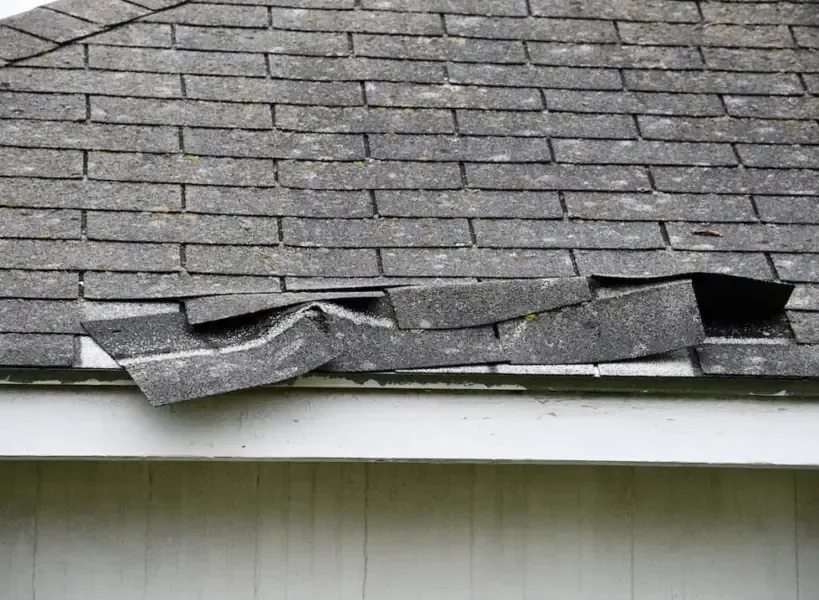
First steps for roof leak water damage
- 1
Catch the water
Set buckets under drips and move belongings out of the way.
- 2
Relieve a bulge
Stay clear of a sagging ceiling; it can drop suddenly.
- 3
Cut wet circuits
Turn off breakers for lights and fans near the leak.
- 4
Tarp if safe
Only from the ground or with a roofer, never in the storm.
Useful details for the first call
- Which rooms are wet, and whether a unit or room below is affected
- Whether the water looks clean, gray or like sewage
- When it started and whether the shutoff is closed
How roof leak water damage is held to a standard
Dispatch at any hour
Active water is treated as urgent at night, on weekends and on holidays, with extraction gear and meters on the truck.
IICRC S500 drying
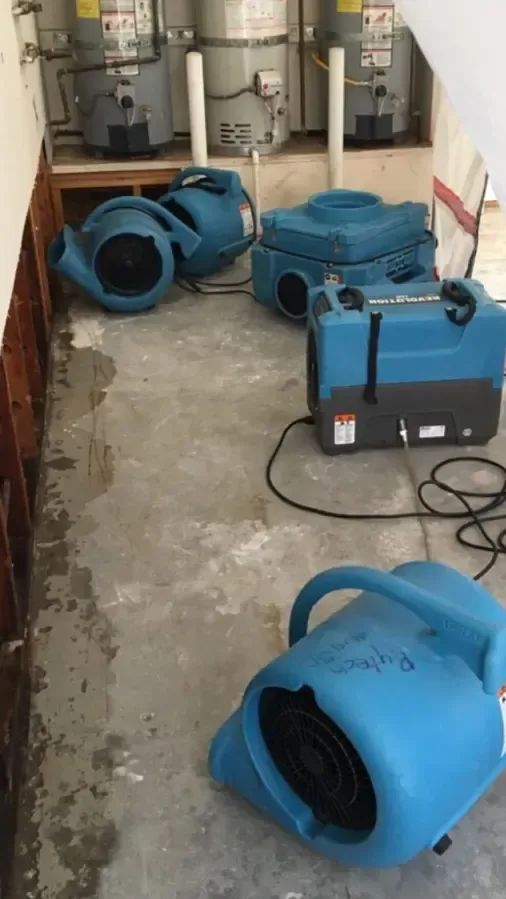
Structural drying sized to the class of loss; the equipment stays until the readings say dry.
A claim file from day one
Moisture map, daily psychrometric logs and timestamped photos taken before anything is removed.
Built for slab homes
Slab-on-grade floors, hillside lots and stacked units each hide water in different places.
What does roof leak water damage cost in Rowland Heights, CA?
Roof leak water damage cleanup typically runs $1,500 to $8,000, depending on how much insulation and ceiling drywall got wet and how many rooms were affected. Roof repair is a separate cost.
Small leak, one room
- Spot of wet insulation
- Ceiling dried in place
- Readings and photos
Attic and ceiling
- Insulation removed
- Ceiling drywall out
- Rooms below dried
Widespread leak
- Several rooms affected
- Walls and flooring wet
- Extended drying
Ranges are typical, not a quote: the water category, square footage, material class and how fast drying started move the number most. The water damage cost calculator gives a closer planning range.
How the roof leak water damage job runs
The walkthrough maps moisture before any equipment goes down, so the drying plan matches what is actually wet.
Inspect the attic
Find wet insulation and the leak path.
Remove wet material
Insulation and soaked drywall come out.
Dry framing
Air movers and LGR units in attic and rooms.
Verify
Daily readings until dry.
Months of sun dry out roofing, and the first big storm finds every weak spot. In Rowland Heights that means cracked or slipped tiles, worn underlayment under concrete tile, failed flashing around chimneys and vents, and ponding on the low-slope roofs common on townhomes and additions. Water soaks the attic insulation before a stain ever shows on the ceiling.
What gets checked
- The attic: wet insulation, stained decking and drips along rafters
- The ceiling: moisture readings and a thermal scan past the visible stain
- The walls below: water that ran down inside the wall cavity
- Flooring and contents under the leak
Drying a roof leak
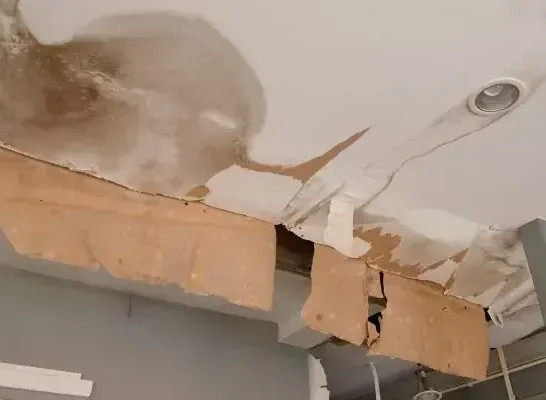
Wet insulation loses its value and holds water against the drywall, so it comes out. Saturated or sagging ceiling drywall is removed safely; drywall that is only damp can often be dried in place. Air movers and LGR dehumidifiers run 24/7, and daily readings show when the framing and drywall are back to a dry reference.
The roof and the claim
A roofer repairs or tarps the roof; the restoration side handles the water inside. Sudden storm damage is often treated differently from a slow leak from wear. The California Department of Insurance explains claim basics, and Ready.gov covers storm preparation.
Roof leak water damage across Rowland Heights and nearby communities
The restoration team covers ZIP 91748, from the Colima Road and Nogales Street corridors and the tract streets off Fullerton Road and Batson Avenue up to the hillside homes along Pathfinder Road and Brea Canyon Road.
Nearby coverage reaches Hacienda Heights, Walnut, Diamond Bar, City of Industry, La Puente, West Covina.
More water damage services in Rowland Heights
Roof Leak Water Damage questions in Rowland Heights, CA
Does wet attic insulation have to be replaced after a roof leak?
Usually. Wet insulation compresses, holds water against the drywall and stops insulating, so soaked sections are removed and replaced after drying.
Can a stained ceiling be dried instead of replaced?
Often, if the drywall is only damp and not sagging. Saturated or sagging drywall is removed for safety and so the space above can dry.
Is roof leak damage covered by insurance?
Sudden storm damage is often covered, while leaks from long-term wear may not be. It depends on your policy, so check with your insurer and keep the photos.
Why do roofs leak in the first big storm of the year?
Long dry months crack sealants and shift tiles, and debris clogs valleys and drains. The first heavy rain finds those gaps all at once.
How long does drying take after a roof leak?
Most roof leak losses dry in three to six days once wet insulation and drywall are out. Equipment stays until the readings say dry.
Water through the roof? Get the attic and ceiling dried.
Wet insulation and soaked drywall hold water against the framing. The drying team pulls what is soaked and dries the rest.