Water Damage Restoration Rowland Heights, CA
Around-the-clock water damage restoration in Rowland Heights, CA. The restoration team pulls standing water, dries slabs, walls and floors to the IICRC S500 standard and documents every reading for the insurance claim.
(888) 563-9619Slab leak or burst pipe? Dial for extractionActive water is treated as urgent at any hour, holidays included, from the first walkthrough to the last dry reading.
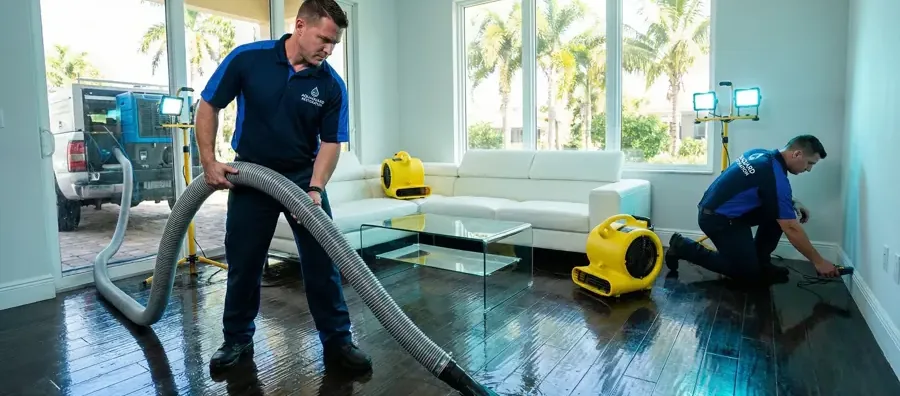
Water Damage Services in Rowland Heights, CA
Twelve water and sewage services, from the first extraction pass to the last moisture reading, sized for slab homes, hillside lots, townhome stacks and the plazas along Colima Road.
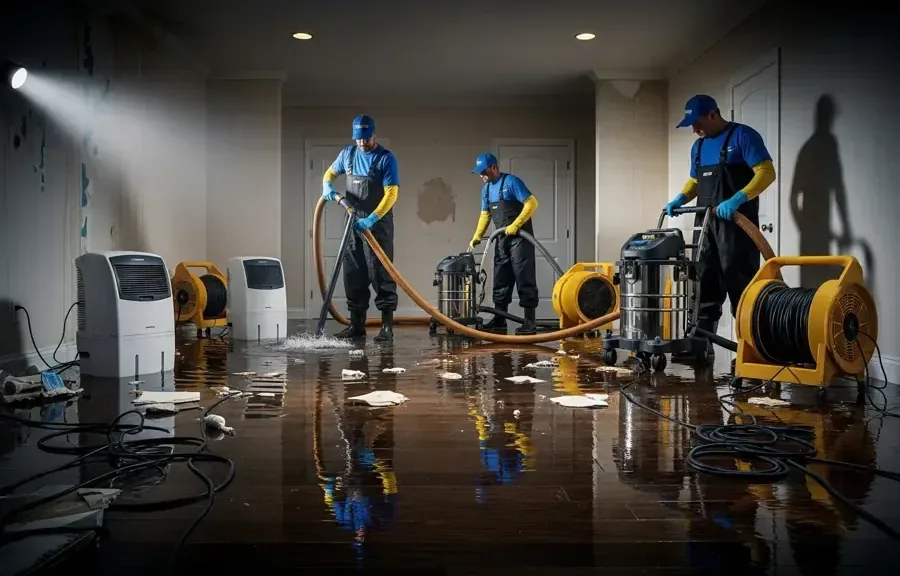 Track 01Emergency Water ExtractionTruck-mounted and portable units pull standing water before it wicks into pad, baseboards and cabinet toe kicks.Service details
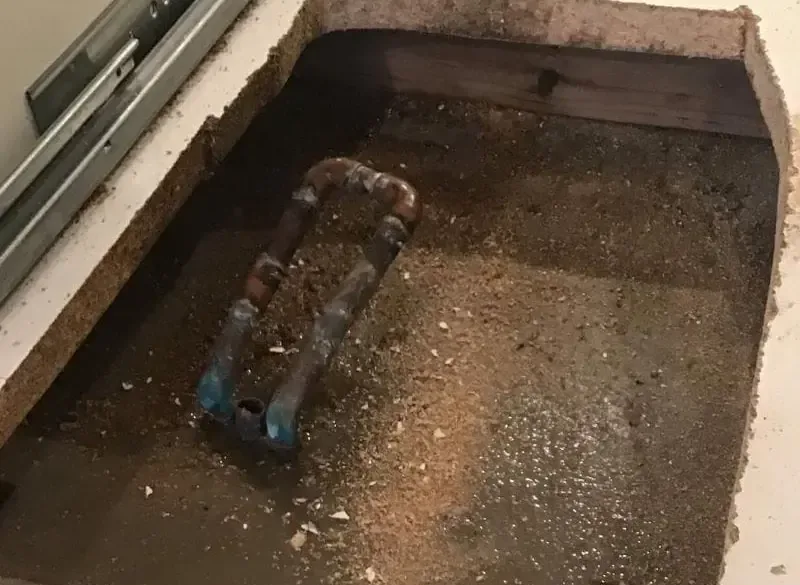 Track 02Slab Leak Water DamageCopper under the slab pinholes with age; wet flooring comes up and the concrete and wall bottoms are dried.Service details
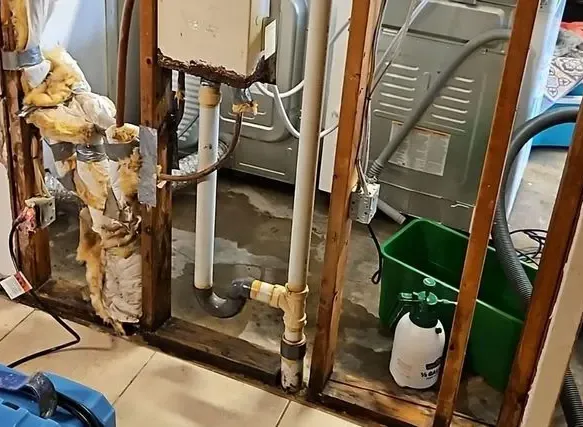 Track 03Burst and Pinhole Pipe LeaksSplit fittings and pinholes inside walls and ceilings, opened only where the meters point and dried in the cavity.Service details
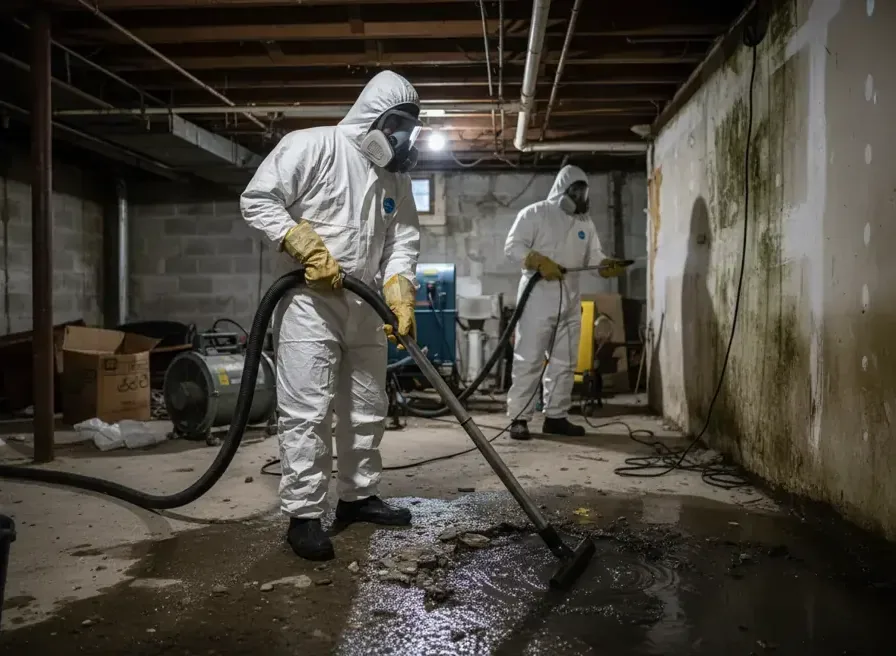 Track 04Sewage Backup CleanupToilet, shower and cleanout backups treated as Category 3 with containment, PPE and an EPA-registered antimicrobial.Service details
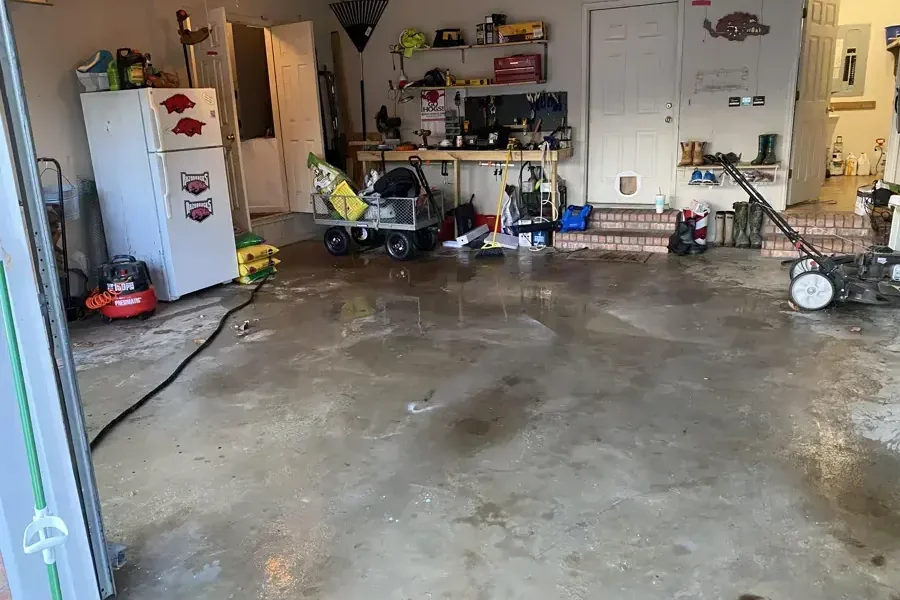
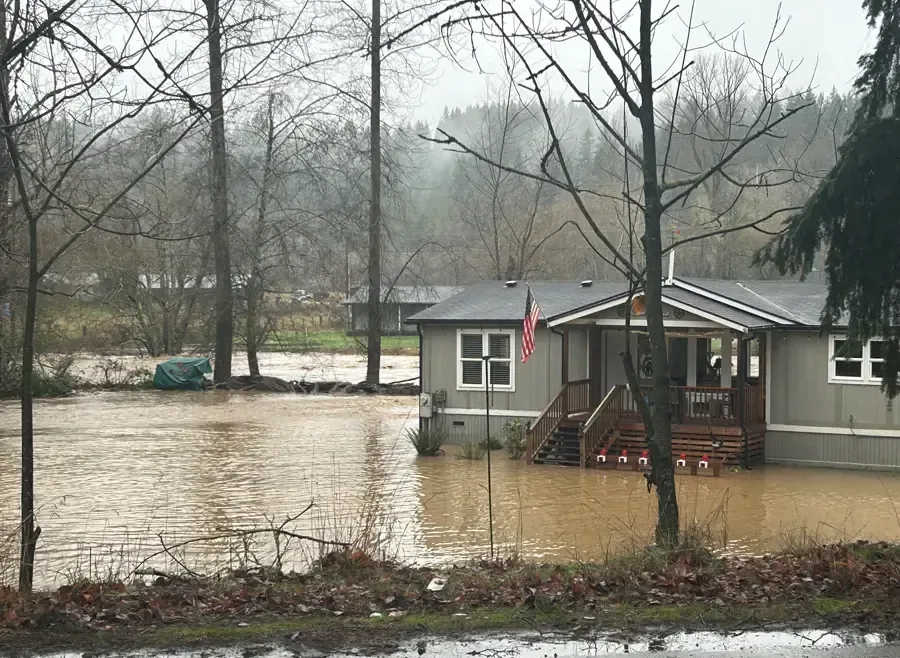 Track 05Storm Runoff and Flood CleanupWinter runoff and mud off the hillside pushed out of garages and back rooms, then cleaned and dried.Service details
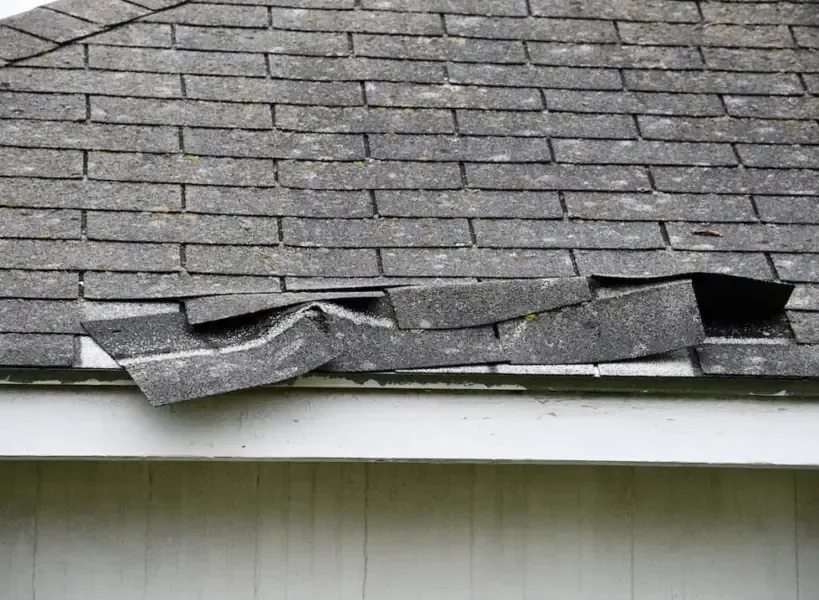 Track 06Roof Leak Water DamageFirst-storm leaks through tile, flashing and low-slope roofs: wet attic insulation out, ceilings and walls dried.Service details
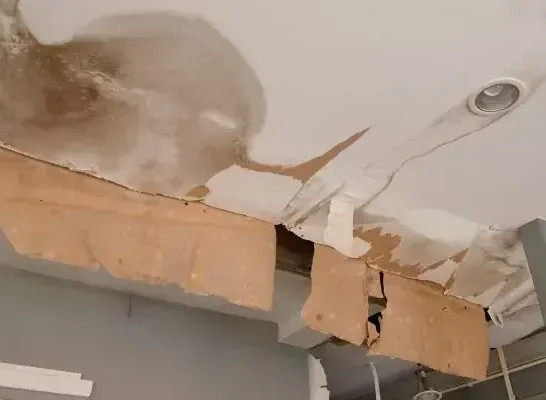 Track 07Ceiling Leak Water DamageUpstairs bath and unit-above leaks traced, sagging drywall dropped safely and the joist bays dried.Service details
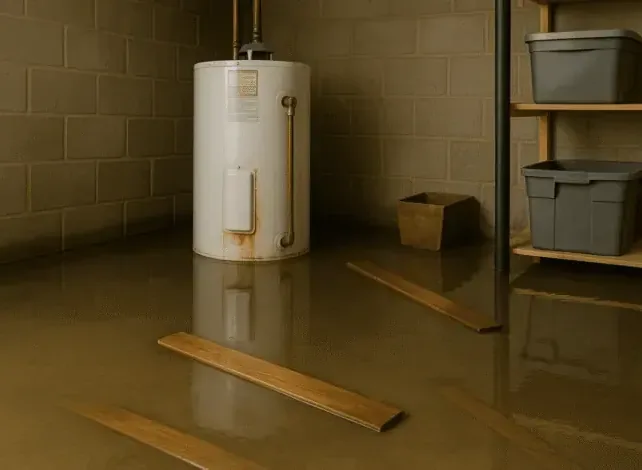 Track 08Water Heater Leak CleanupTank failures in garages and closets extracted before stored boxes, drywall and cabinets soak through.Service details
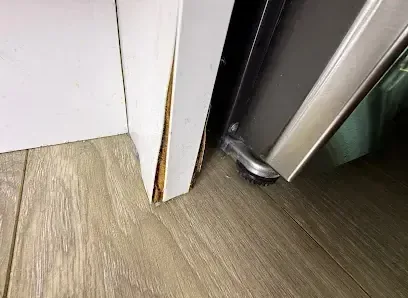 Track 09Appliance and Supply Line LeaksWasher hoses, dishwasher lines, ice makers and toilet supplies that fail behind cabinets and under flooring.Service details
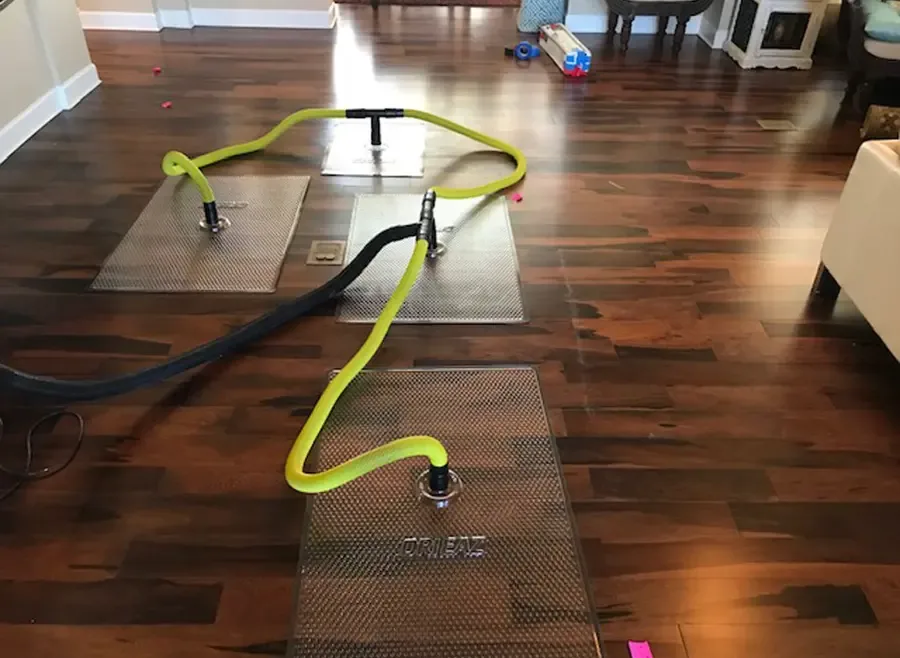 Track 10Hardwood Floor Water DamageCupped and soaked wood floors dried in place with mat systems when readings show the boards can be saved.Service details
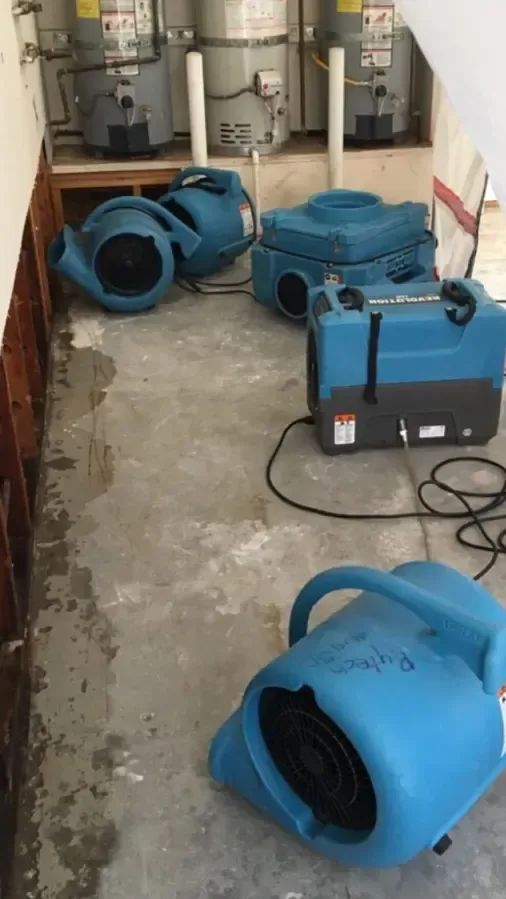 Track 11Structural Drying and DehumidificationAir movers, LGR dehumidifiers and daily readings until framing, subfloor and slab reach the drying goal.Service details
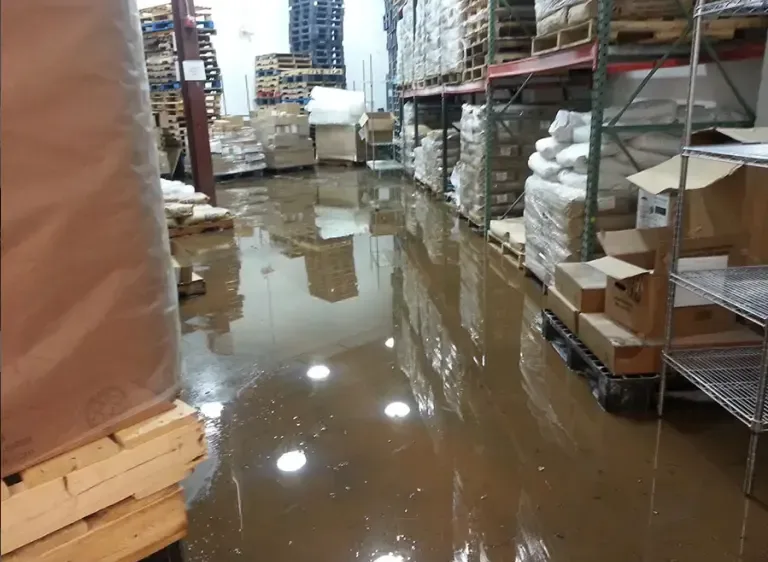 Track 12Commercial Water DamagePlaza shops, restaurants, offices and warehouses dried in phases so the doors can stay open.Service details
What to do while the water is still spreading
- 1
Close the main. The main shutoff is usually where the supply enters the house, often near the front hose bib or in the garage. With a slab leak, closing it is the only way to stop the flow.
- 2
Cut power to wet rooms. Switch off breakers for wet rooms only from a dry spot, and keep everyone away from standing water near outlets and cords.
- 3
Photograph before moving. Take wide and close photos of every wet room, the source and damaged belongings before anything is moved, lifted or thrown out.
- 4
Lift, then call. Move rugs, electronics and boxes off the wet floor, then call: mold can start growing inside 24 to 48 hours.
Water damage restoration built around slab homes and hillside lots
Water rarely announces itself here with a flood. It shows up as a warm spot on a tile floor over a slab leak, a brown ring on a ceiling under an upstairs bath, or mud swept against a garage door after a winter storm off the Puente Hills.
The restoration team works from that pattern: moisture mapping before any equipment goes down, truck-mounted extraction, air movers and LGR dehumidifiers sized to each room, and daily readings until the slab, walls and floors are dry.
See how the restoration work runs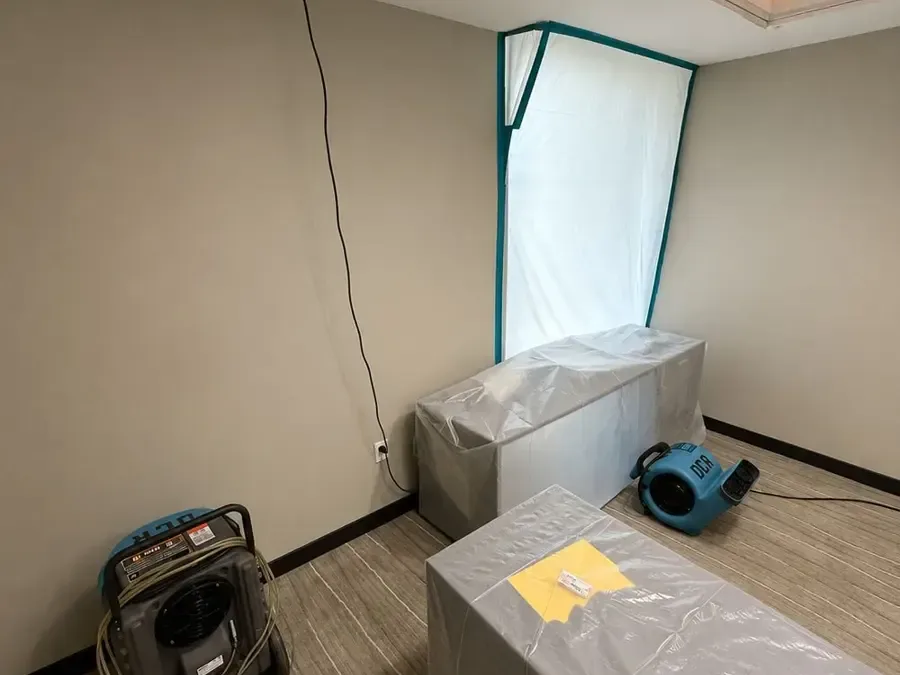
Water damage dried to the IICRC S500 standard
Every water loss runs through the same four steps. How long each one takes depends on the water category, the material class, the slab underneath and how soon drying started.
Map the moisture
A thermal camera and pin and pinless meters mark every wet wall, floor and cavity, including water spreading under flooring on a slab.
Extract and contain
Truck-mounted extraction pulls standing water, and containment keeps Category 2 and 3 water from reaching the dry rooms.
Dry the structure
Air movers go in at the evaporation load of each room, with LGR dehumidifiers pulling that moisture back out of the air.
Prove it dry
Readings are logged daily, and equipment comes out only when wet materials read within 2 to 4 points of a dry reference.
How a water loss is handled from the first walkthrough
The difference between a finished dry-out and a cosmetic one is the order of the work and the readings behind it, not the number of fans in the room.
24/7 dispatch
Active water is treated as urgent at night, on weekends and on holidays, with extraction units and meters already on the truck.
Structural drying
Drying is sized to the class of loss and reaches framing, slab edges and wall cavities, not only the surfaces that look wet.
Claim-ready records
A moisture map from day one, daily psychrometric logs and timestamped photos taken before any material is removed.
Slab and hillside know-how
Water under slab flooring, runoff against hillside walls and leaks between stacked units each hide in a different place.
What does water damage restoration cost in Rowland Heights, CA?
Most residential water damage jobs here run about $1,200 to $5,500 for a contained clean-water loss and $4,000 to $12,000 when several rooms or a slab are involved, with sewage and storm water higher. The plumbing repair is a separate cost.
Contained clean-water loss
- One or two rooms, Category 1
- Extraction plus 3 to 5 days of drying
- Baseboards or pad removed where needed
Several rooms or a slab leak
- Flooring lifted across connected rooms
- Slab and wall-bottom drying
- Containment and daily drying logs
Sewage or storm water
- Category 3 work in full PPE
- Porous materials removed above the waterline
- EPA-registered antimicrobial applied
Ranges are typical, not a quote: the water category, square footage, material class and how fast drying started move the number most. The water damage cost calculator gives a closer planning range.
Every category of water damage, handled differently
Clean water
Supply lines, slab leaks, water heaters and appliance hoses. Extracted fast and often dried in place when drying starts within a day or two.
Slab leak water damageGray water
Washer drains, dishwasher overflows and toilet overflows without waste. Soaked pad and some finishes come out, then the structure is cleaned and dried.
Appliance and supply line leaksBlack water
Sewage and storm runoff from outside. The area is contained, porous materials are removed and surfaces are treated with an EPA-registered antimicrobial before drying.
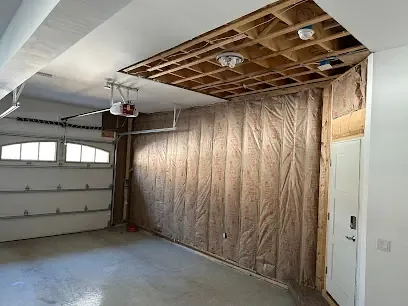
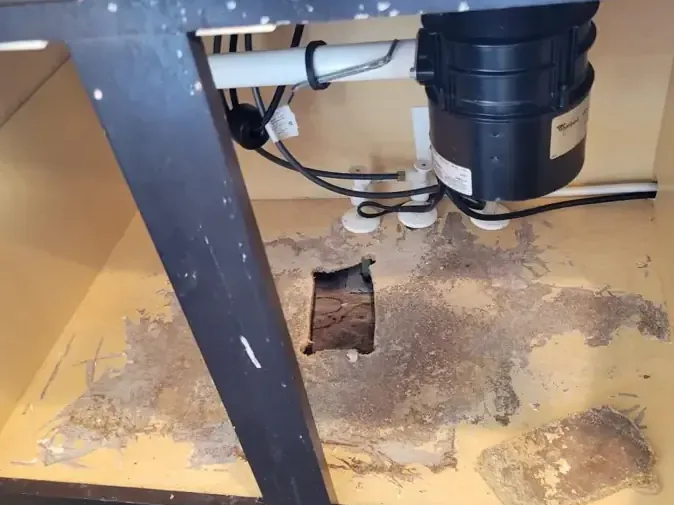
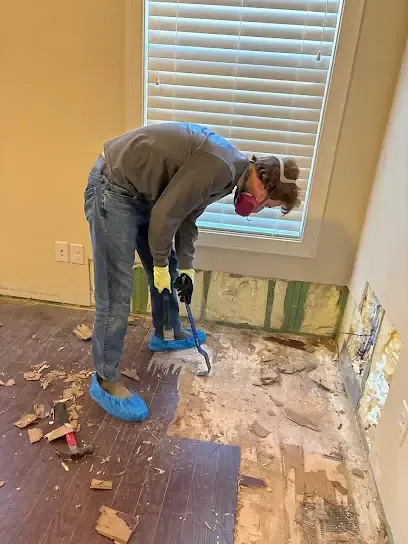
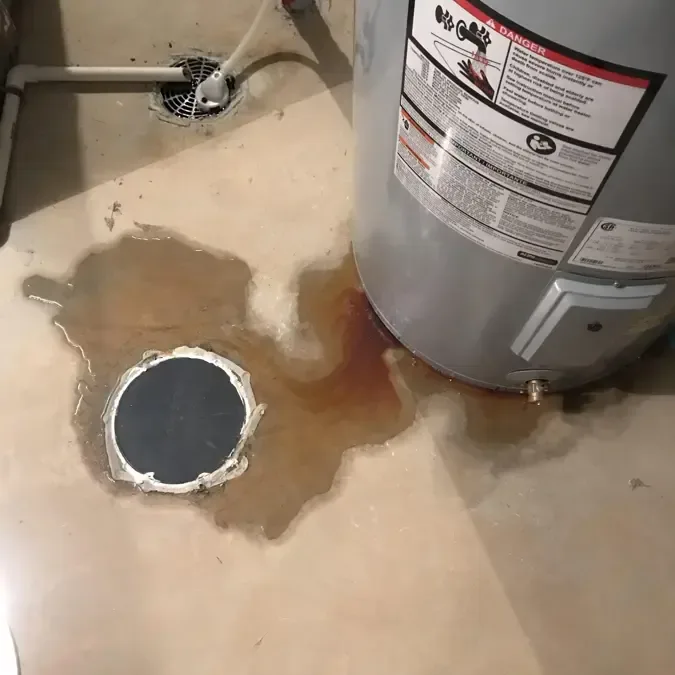
Sewage backup cleanupWhat a water damage dry-out looks like from the inside

Documentation for the insurance claim
A water claim is decided on the file. The restoration team builds it from the first walkthrough to the last reading, so the adjuster sees what was wet and why.
- A moisture map from day one showing every wet wall, floor and cavity
- Daily psychrometric logs and material readings until the drying goal
- Timestamped photos taken before any demolition or removal
- The water category and class of loss, written into the file
- A line-item scope of the extraction, removal and drying
Sudden and accidental water, like a burst supply line or a failed water heater tank, is treated differently from storm runoff or rising water from outside, which usually needs a separate flood policy. Coverage depends on the policy, so it is worth reading your own policy and talking to your insurer early.
Water damage coverage across Rowland Heights, CA
The community runs from the Pomona Freeway frontage up into the Puente Hills. Restoration crews cover all of it, plus the communities on every side.
ZIP codes
Main roads and corridors
Nearby communities
Restoration crews work every street in ZIP 91748, from the plazas and townhome complexes on the main roads to the tract streets off Fullerton Road and the hillside homes along Pathfinder Road, day or night.
See every area and ZIP covered Find us on GoogleWater damage in Rowland Heights, CA: the local risk profile
The community sits on the north slope of the Puente Hills in the southeast San Gabriel Valley. It stays dry most of the year and takes most of its rain in a few winter storms.
- Copper under aging slabs. Many homes here are older tract homes on concrete slabs, and copper supply lines under the floor wear thin until a pinhole opens out of sight.
- Hillside storm runoff. Lots against the Puente Hills shed water and mud downhill in the big winter storms of recent years, and it finds garages and back walls first.
- Hard, mineral-heavy water. Scale builds inside water heater tanks, valves and supply fittings, so tank failures and weeping connections in garages and closets are common calls.
- Earthquake shaking. Quakes on nearby faults, including Whittier Narrows in 1987 and Chino Hills in 2008, can crack supply lines and tip unstrapped water heaters.
- Stacked units and low-slope roofs. Townhome and apartment stacks along Colima Road send a leak from one unit into the ceiling below, and low-slope roofs hold water in the first heavy rain.
Rowland Heights water damage questions, answered
How soon can water damage work start in Rowland Heights?
Active water is treated as urgent at any hour, 24/7, and extraction usually begins at the first visit right after the walkthrough. Water keeps moving into pad, drywall and wall bottoms, so the first call matters more than the first repair.
What should be done first while water is still moving?
If it is safe, close the main shutoff and switch off power to wet rooms from a dry breaker panel. Stay out of standing water near outlets, photograph the damage before moving anything, lift rugs and boxes off the floor, then call.
How can a slab leak be spotted early?
Common signs are a water meter that moves with every fixture off, a warm spot on tile or wood, the sound of running water and a jump in the bill. The slab leak symptom check walks through the four signs.
Is water damage covered by homeowners insurance in California?
A sudden and accidental loss, such as a burst supply line or a failed water heater, is often covered after the deductible, while outside storm water or rising water usually needs a separate flood policy. Coverage depends on your policy, so check with your own insurer.
Why are slab leaks so common in older tract homes?
Many older tract homes have copper supply lines running under or through the slab. Hard water, high pressure and slight ground movement wear that copper thin over decades until a pinhole opens under the floor.
How long does it take to dry a wet house?
A contained Class 1 or 2 loss usually dries in three to five days, while hardwood, plaster and concrete slabs take longer. Equipment comes out when the readings say dry, not on a set date; the drying time estimator gives a rough range.
What is the IICRC S500 standard?
IICRC S500 is the industry standard for water damage restoration. It calls for moisture mapping before equipment goes down, drying sized to the class of loss and daily monitoring until wet materials reach the drying goal.
When does wet drywall have to come out?
Drywall wet with clean water can often be dried in place if drying starts quickly. It comes out when it is soaked above about two feet, has lost strength, or was touched by Category 3 water such as sewage or storm runoff.
Why is a sewage backup handled differently?
Sewage is Category 3 water from the start. It carries bacteria, so the area is contained, crews wear full PPE, porous materials above the waterline come out, and surfaces are treated with an EPA-registered antimicrobial before drying.
How is the cost of water damage restoration figured?
Cost comes from the water category, the square footage that got wet, the material class and how fast drying started. A line-item scope lists extraction, removal, equipment days and monitoring, and the plumbing repair is billed separately.
24/7 water damage restoration for every street in ZIP 91748
From the plazas on Colima Road to the hillside homes off Pathfinder Road, extraction and drying start around the clock.