Water Damage Restoration in West Covina
Burst pipes, sewage backups, storm runoff and failed water heaters can flood a West Covina home or business before anyone notices. The work follows a plain order: stop the source, pull out the water, then dry the structure.
(888) 563-9619Speak with a drying crew nowEvery figure here is a typical range. An exact quote comes only after moisture readings are taken on site.
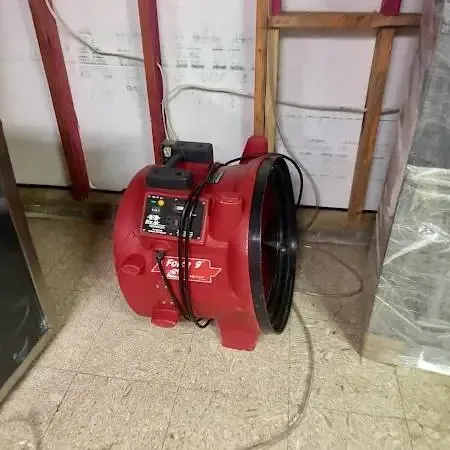
Services for every kind of water loss
Twelve kinds of water and sewage trouble each get a plan of their own, from the first shutoff to the final moisture reading that shows the structure is dry.
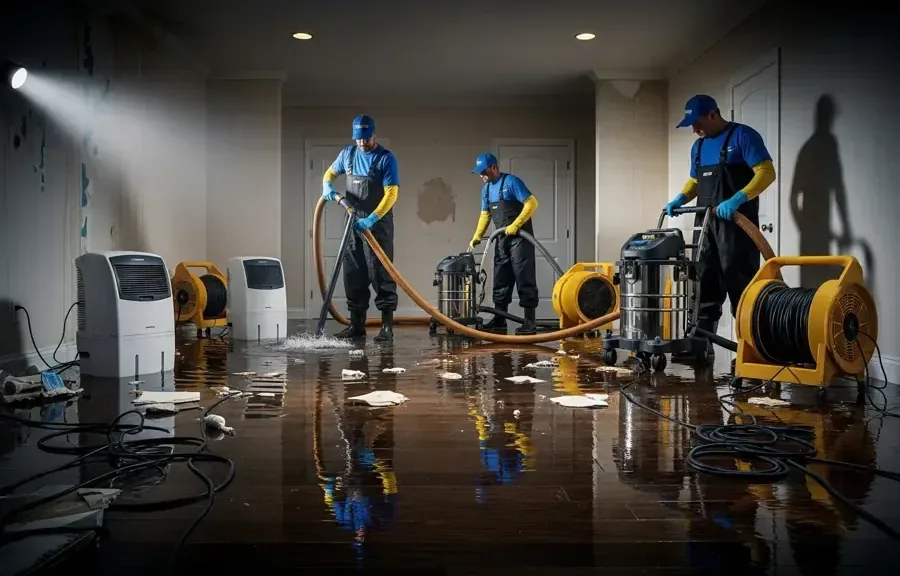 Track 01Emergency Water ExtractionPumps, wands and vacuums pull standing water from floors before it soaks into padding, baseboards and the walls.Service details
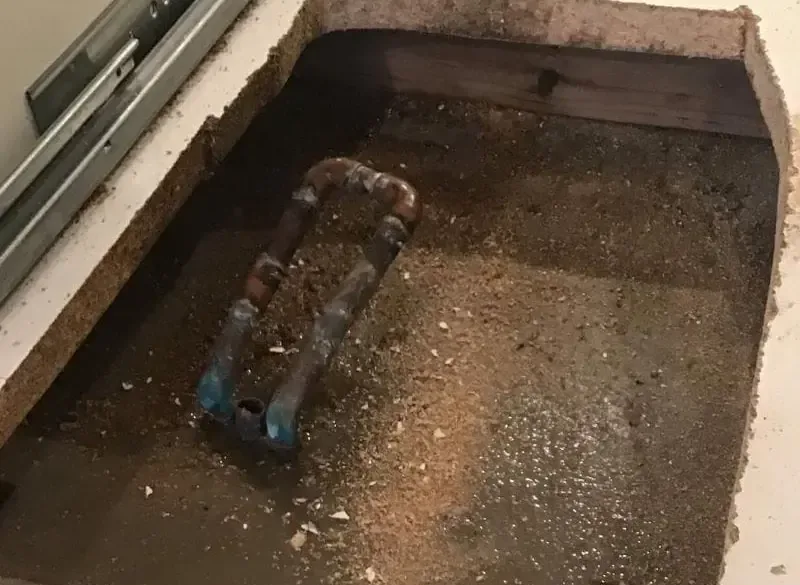 Track 02Slab Leak Water DamageA supply or drain pipe leaking under flooring is traced with leak detection, then the wet materials above are dried.Service details
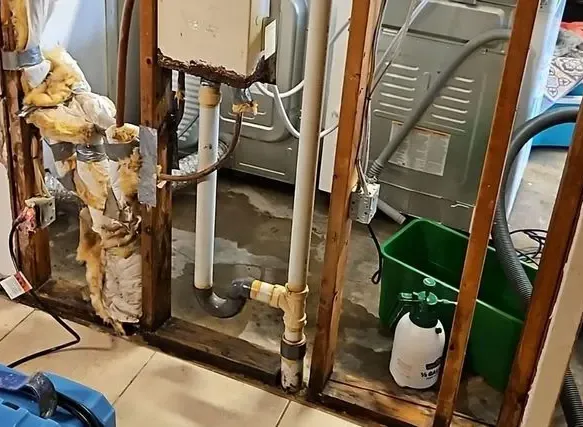 Track 03Burst and Pinhole Pipe LeaksShut off the main valve, extract the water, then dry the walls and floors a burst pipe soaked.Service details
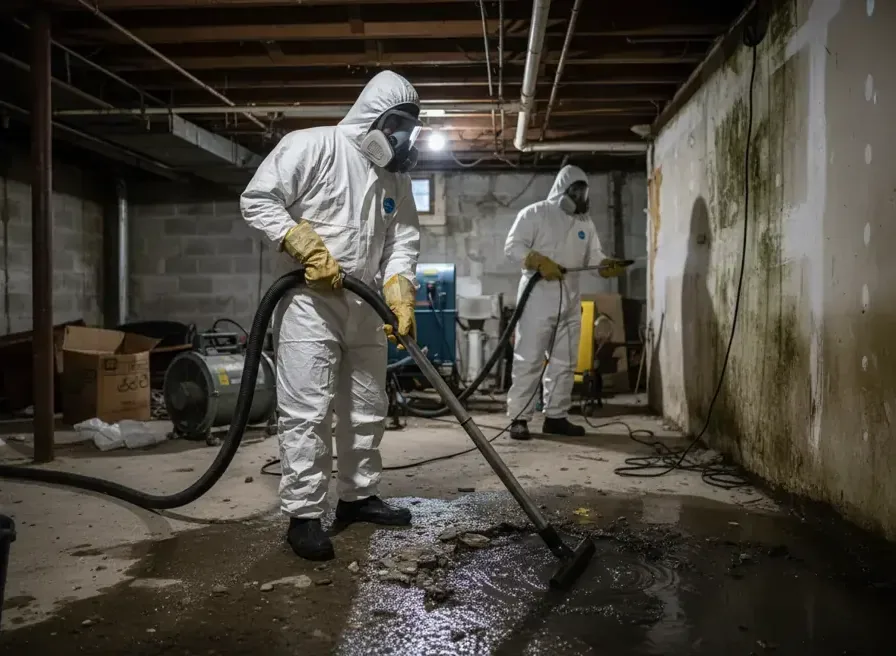 Track 04Sewage Backup CleanupBackups are cleaned as contaminated water: removal, disinfecting and drying, with the failed pipe found on site.Service details
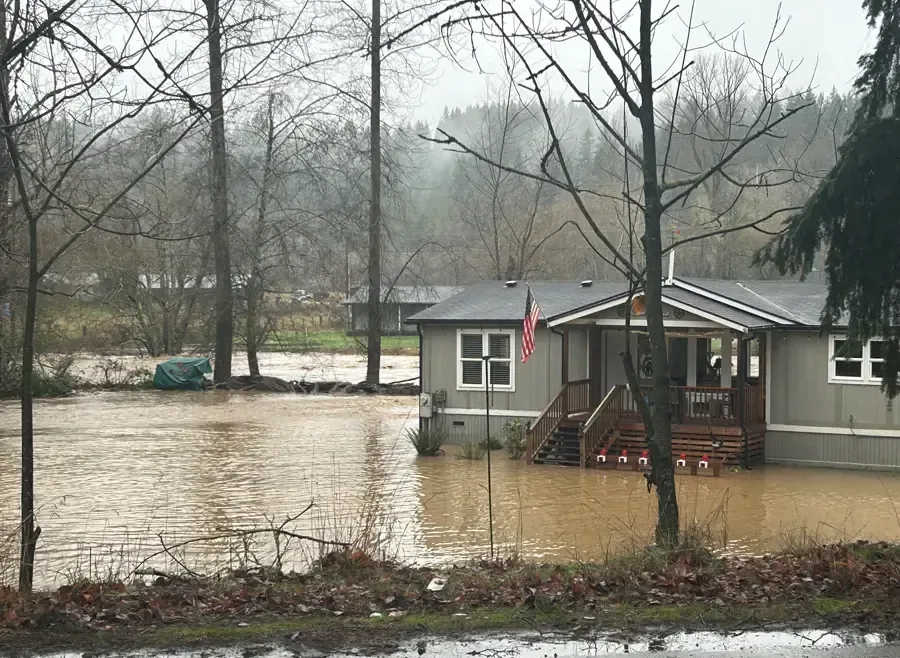 Track 05Storm Runoff and Flood CleanupStorm runoff and flash flooding bring muddy water indoors, so extraction, debris removal and drying run together.Service details
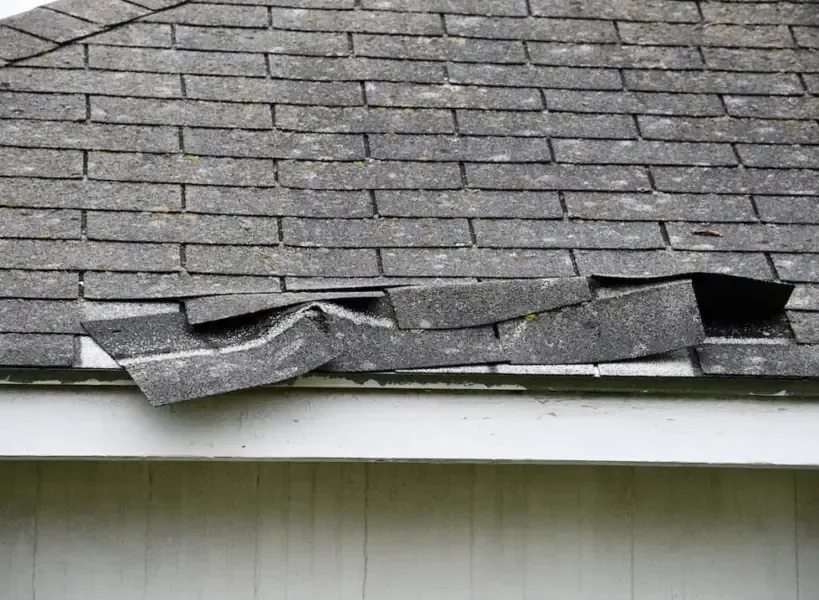 Track 06Roof Leak Water DamageRain that gets past the roof soaks insulation, ceilings and walls, so the wet layers come out and dry.Service details
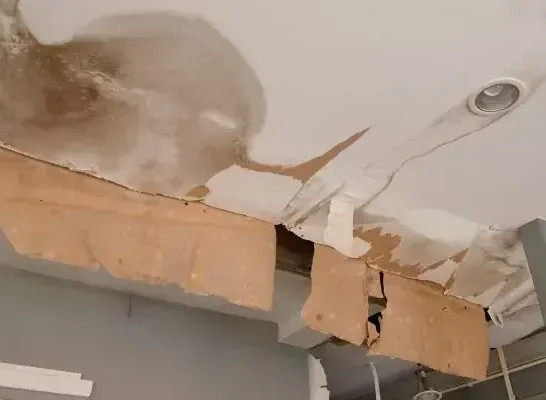 Track 07Ceiling Leak Water DamageStains, sagging drywall and drips overhead point to a leak above, either from plumbing or from rain.Service details
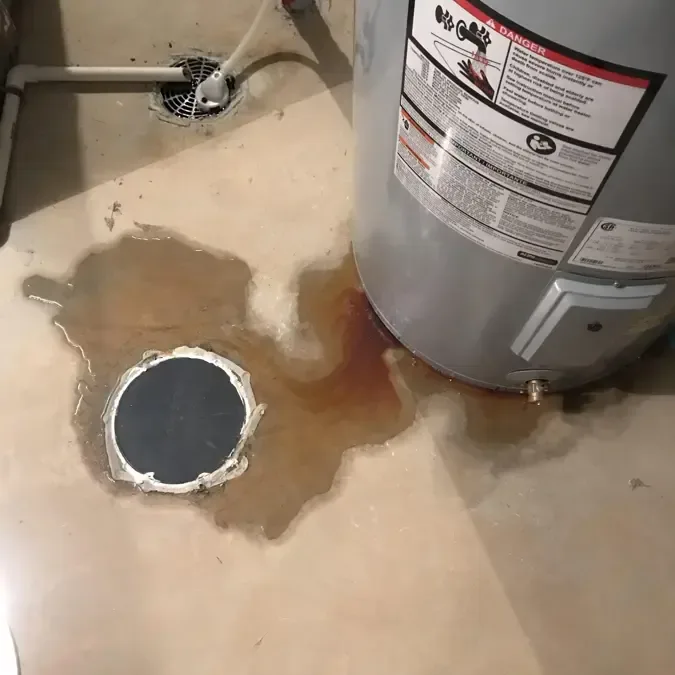
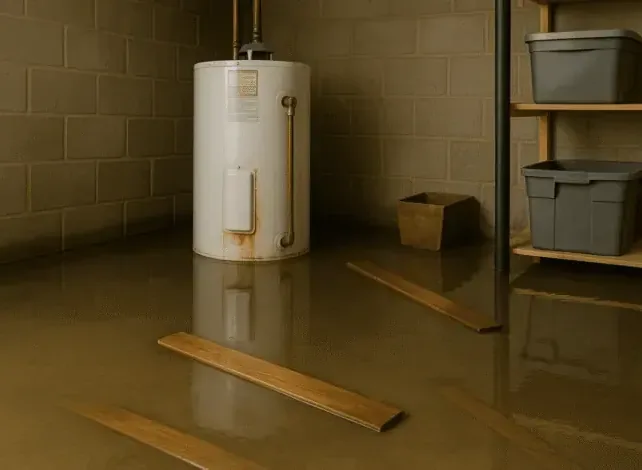 Track 08Water Heater Leak CleanupA failed tank floods a closet or garage floor, so the plumbing repair and drying are planned together.Service details
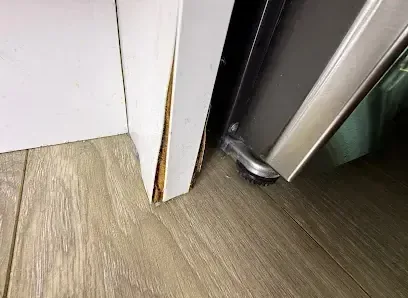 Track 09Appliance and Supply Line LeaksDishwashers, washers and supply hoses leak into cabinets and floors, and sometimes into a neighbor's unit.Service details
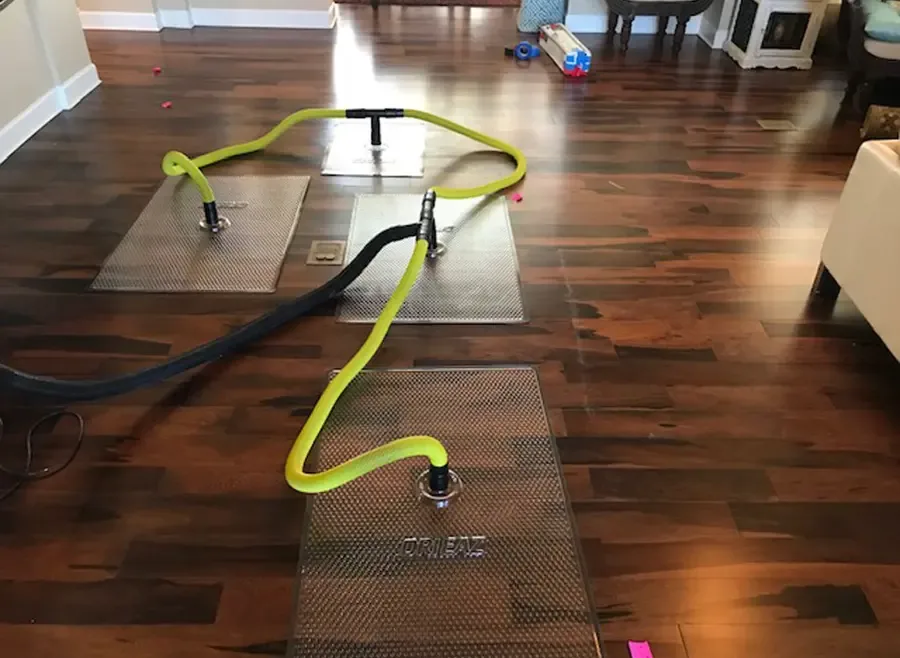 Track 10Hardwood Floor Water DamageWet wood cups and buckles, so moisture readings decide whether drying can save the boards.Service details
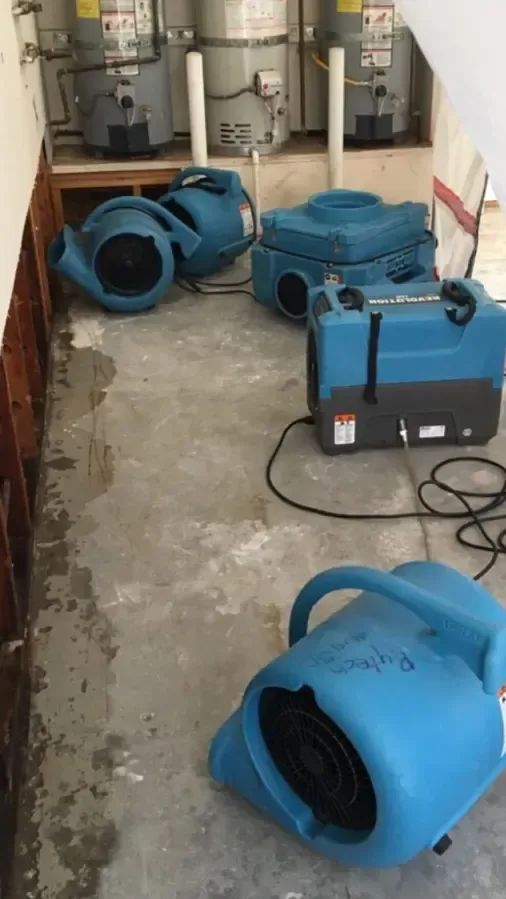 Track 11Structural Drying and DehumidificationAir movers and dehumidifiers run until readings in framing, subfloor and drywall return to normal.Service details
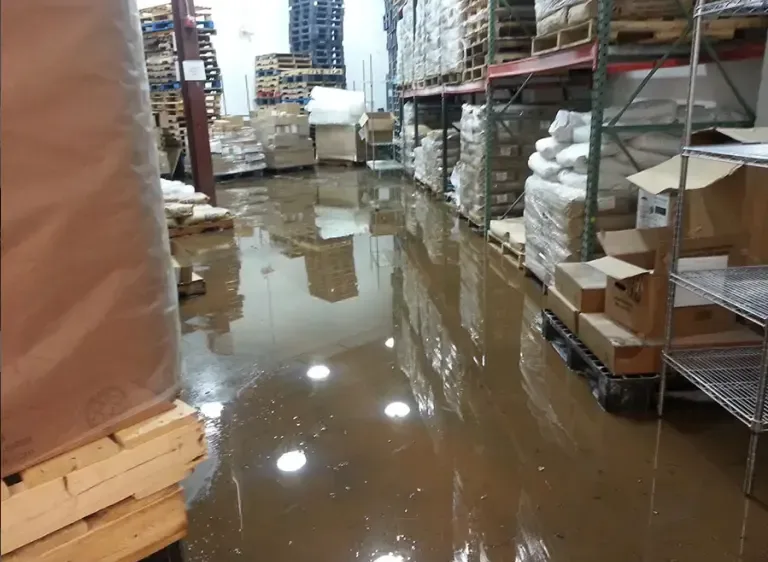 Track 12Commercial Water DamageShops, offices and large stores need fast extraction and drying so the business can get back to work.Service details
Four first steps for a wet home
- 1
Stop the source. Close the main valve or the fixture valve. The property's own shutoff comes before any call to a water supplier, and everyone in the home should know where it is.
- 2
Stay out of danger. Keep power off in wet rooms when the panel can be reached safely, and keep everyone out of standing water, especially after a sewage backup.
- 3
Call and describe it. Say what failed, which rooms are wet and whether the water looks clean or dirty. That decides the crew, the gear and the safety plan.
- 4
Photograph everything. Photograph the damage and the source before anything moves, and keep damaged items until an adjuster has seen them.
Restoration that fits local homes and businesses
West Covina sits in the central San Gabriel Valley and counted 109,501 residents at the 2020 Census. About 59.9% of occupied housing units were owner occupied then, so owners and renters are both common, and a burst pipe or a failed appliance can affect either one.
Water extraction, structural drying and sewage cleanup are handled under one plan, with moisture readings steering every decision. Homes, apartments, shops and offices all get the same steady process, from the shutoff to the final reading.
See how a job runs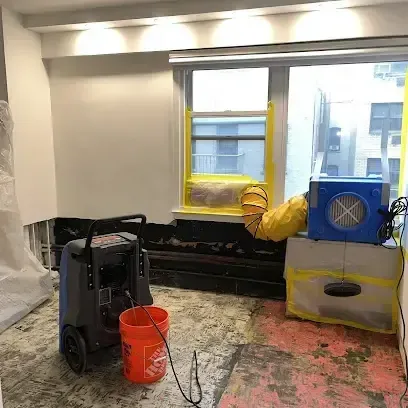
Drying done to the IICRC S500 standard
Every job follows the IICRC S500 water damage standard: the water is classified, the drying goal is set from readings, and the work is documented as it goes.
Assess and classify
The source is found, the water category and drying class are named, and moisture is mapped across floors and walls.
Extract and remove
Standing water comes out first, followed by padding, soaked insulation and any material that cannot be dried in place.
Dry with equipment
Air movers, dehumidifiers and drying mats run while moisture meters track the framing, subfloor and drywall each visit.
Verify and rebuild
Drying ends only when readings match normal levels, then repairs can begin on dry materials with a written record of the readings.
A calm plan for the worst day in a home
Water damage is stressful, and the first call should bring clear answers instead of a sales pitch. These four habits describe how the work is run.
Clear ranges up front
Typical price ranges are shown before anyone is called, and the exact quote follows only after the damage is measured.
Water and sewage only
The work stays focused on water and sewage damage, so the crew, the gear and the process are built for that one job.
Readings, not guesses
Moisture meters and logged readings decide what stays and what goes, so nothing is torn out or left wet by habit.
Open at every hour
Floods and backups do not keep business hours, so calls are taken at any hour, every day of the week.
What water damage restoration usually costs
Most water damage jobs here land between $1,200 and $20,000 or more, depending on how much water, how long it sat and what it touched. A small, early catch costs far less than a long hidden leak or a sewage loss.
Small, caught early
- One room or a single cabinet area
- Extraction plus light drying of the floor
- Little or no material removal
Several rooms affected
- Water reached walls and flooring in more than one room
- Wet drywall and padding come out
- Drying equipment runs for several visits
Large or contaminated loss
- Sewage, storm water or a long hidden leak
- Structural drying and extensive removal
- Repairs and rebuilding planned afterward
These ranges are typical, not quotes. Size of the wet area, the water category, the materials involved and the drying class all move the final number, and the scope is confirmed on site.
Where most local water damage starts
Pipe failures
A burst supply pipe or a slow pinhole leak can soak walls and ceilings, so the main valve is closed first and extraction follows.
Burst and pinhole pipe leaksAppliance leaks
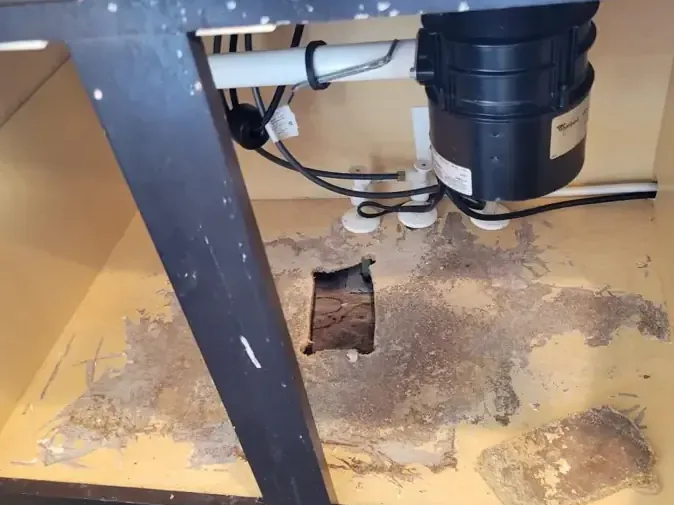
Dishwashers, washing machines and ice maker hoses fail without warning, and the water often runs under cabinets and flooring unseen.
Appliance and supply hose leaksSewage backups
A sanitary sewer overflow is an unintentional release of sewage before it reaches the treatment plant, and indoors it is cleaned as contaminated water.
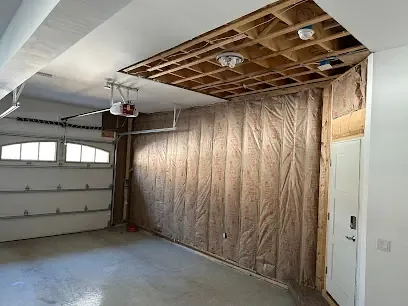
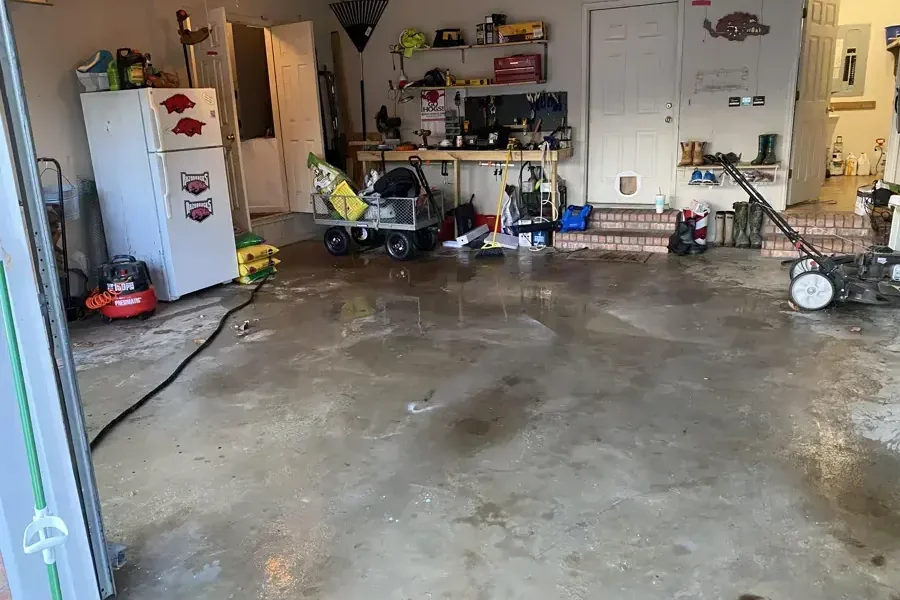
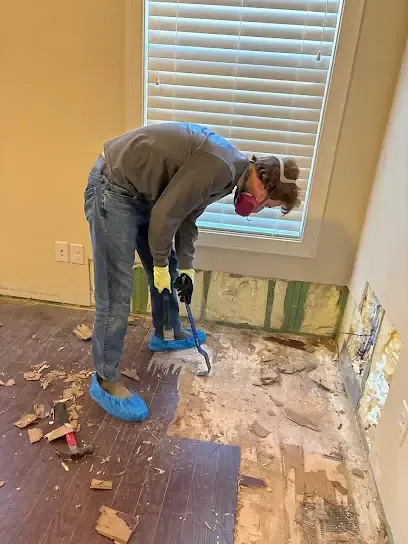
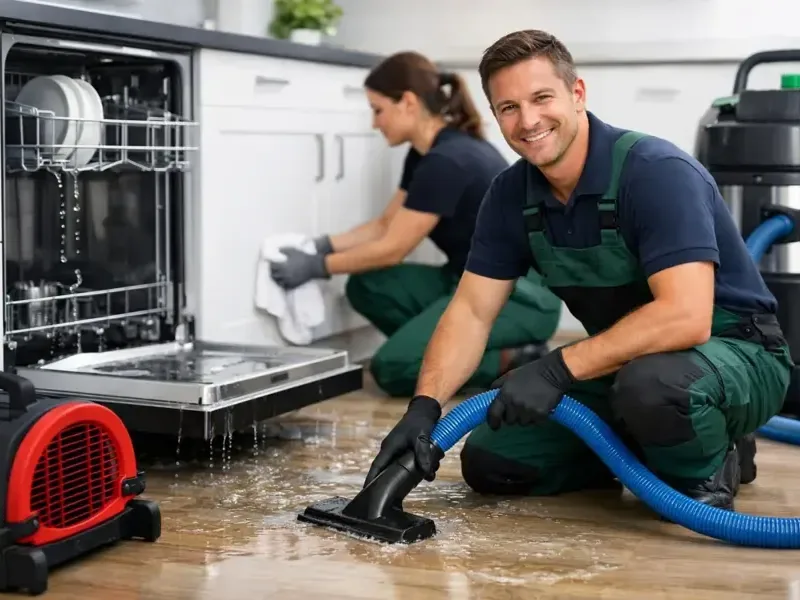
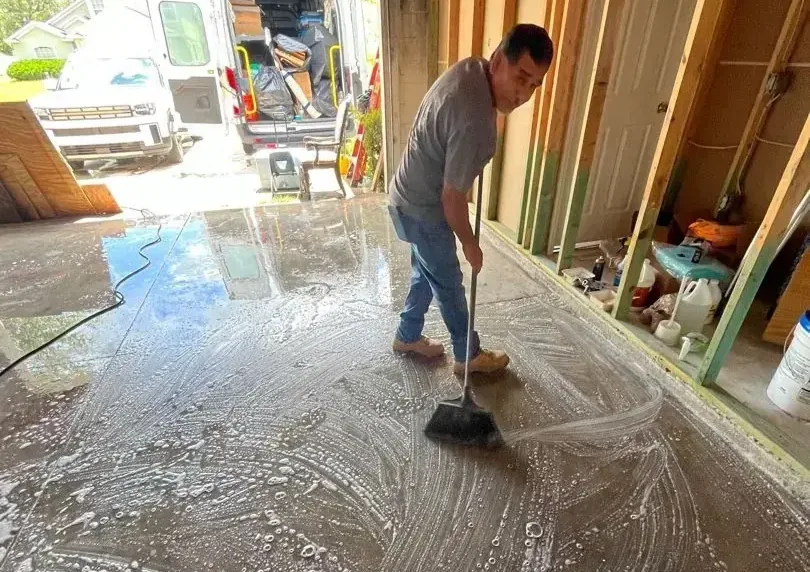
Sewage backup cleanup stepsWhat a typical water loss looks like on site
Working with an insurance claim
Many water losses are claimed through homeowner or renter coverage, and a claim moves more smoothly when the damage is documented carefully from the first visit.
- Photos and video of the damage and its source taken before anything is moved
- Moisture readings and a drying log for every visit to the property
- A list of damaged belongings, with photos taken before disposal
- Receipts for emergency repairs, equipment use and any plumbing work
- The adjuster's name, the claim number and the date of loss
Coverage depends on the policy and the cause of the loss, and a sudden pipe break is often treated differently from long term seepage. The restoration firm documents the work but does not decide coverage, so questions about what is paid belong with the carrier.
Water damage service across West Covina
Crews cover all four ZIP codes in the city, with 91790 as the main one, along with the neighborhoods and shopping centers listed below.
ZIP codes served
Neighborhoods and landmarks
Nearby areas
Calls come from houses, apartments, shops and offices all over the city, including the areas around Cortez Park, Cameron Community Center and Emanate Health Queen of the Valley Hospital, and the work covers water and sewage only.
View all service areasWhat puts local homes and businesses at risk
Water trouble here comes from three directions: failing plumbing and appliances inside the building, sewer overflows in the city system, and heavy rain moving through storm drains and flood control channels.
- Flash flood potential. In February 2026 the National Weather Service listed the city among Los Angeles area places that could see flash flooding, with rainfall rates of 1 inch per hour or more possible. It was a flash flood listing, not a confirmed flood report.
- Creeks and channels. The San Gabriel River and its tributaries Walnut Creek, San Jose Creek, Puente Creek and Big Dalton Wash receive the city's stormwater.
- Sewer overflows. The City of West Covina operates the sanitary sewer system under a Sewer System Management Plan required by the state, and an overflow can send sewage into a home.
- Plumbing and appliance failures. Supply hoses, dishwashers, washers and water heaters can fail at any time, and an apartment leak can reach nearby units.
- Busy commercial buildings. Shopping centers such as Eastland Center and The Heights at West Covina, along with offices, restaurants and the hospital campus, can see a leak travel from one suite to the next.
Common water damage questions
What should be done first when water floods a home?
Shut off the water at the main or fixture valve, keep power off in wet rooms if the panel can be reached safely, photograph the damage and call right away. Standing water soaks into drywall and flooring fast, so early extraction limits the loss.
How much does water damage restoration cost?
Typical jobs run from $1,200 for a small, early catch to $20,000 or more for a large or contaminated loss. The exact number depends on the water category, the area affected and the materials involved, and it is confirmed after on site readings.
Is sewage backup different from clean water damage?
Yes. Sewage is contaminated water, so it calls for protective gear, containment, disinfecting and removal of porous materials that touched it. Whether the cause is a home drain clog or a problem in the city sewer system is checked on site.
How long does structural drying usually take?
Drying time follows the readings, not a calendar. Air movers and dehumidifiers run until moisture in framing, subfloor and drywall returns to normal levels, and denser materials such as hardwood or thick framing take longer than drywall.
Will mold grow after a water loss?
Mold can begin to grow within 24 to 48 hours in damp materials, which is why wet drywall, padding and insulation are removed or dried quickly and readings are checked until they return to normal.
Does insurance cover water damage cleanup?
Often it does when the loss is sudden, such as a burst pipe or a failed appliance, but policies differ. Photos, readings and a drying log support the claim, and the carrier makes the final call on what is covered.
Can wet hardwood floors be saved?
Sometimes. Hardwood cups and buckles as it absorbs moisture, so drying mats and moisture readings decide whether the boards can stay. Wood that has already warped badly is usually replaced. Early action gives the best chance.
Can heavy rain cause water damage indoors?
Yes. Rain that gets past a roof or through a garage door can soak ceilings, walls and floors, so it pays to check ceilings and the roof after a heavy storm and call if stains or drips show up.
Do commercial properties get the same service?
Yes. Shops, restaurants, offices and warehouses get extraction, drying and cleanup planned around the business, with the goal of limiting downtime. Larger floors need more equipment and more readings, so the scope grows with the size of the building.
Who handles repairs after the drying is done?
Drying and cleanup come first, and repairs follow on dry materials. The West Covina Building Division issues building, electrical, mechanical and plumbing permits for contracted work within city limits, so contracted repair work can be checked with that office.
Water is spreading, so call for help now
Calls are taken at any hour. Describe the damage, shut off the source if it is safe, and the plan starts from there.