Structural Drying in La Puente, CA
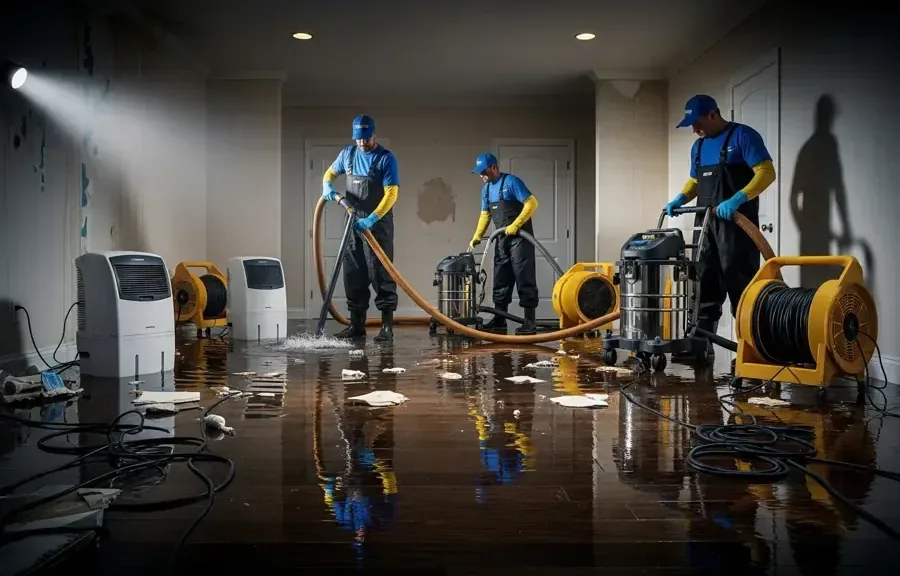
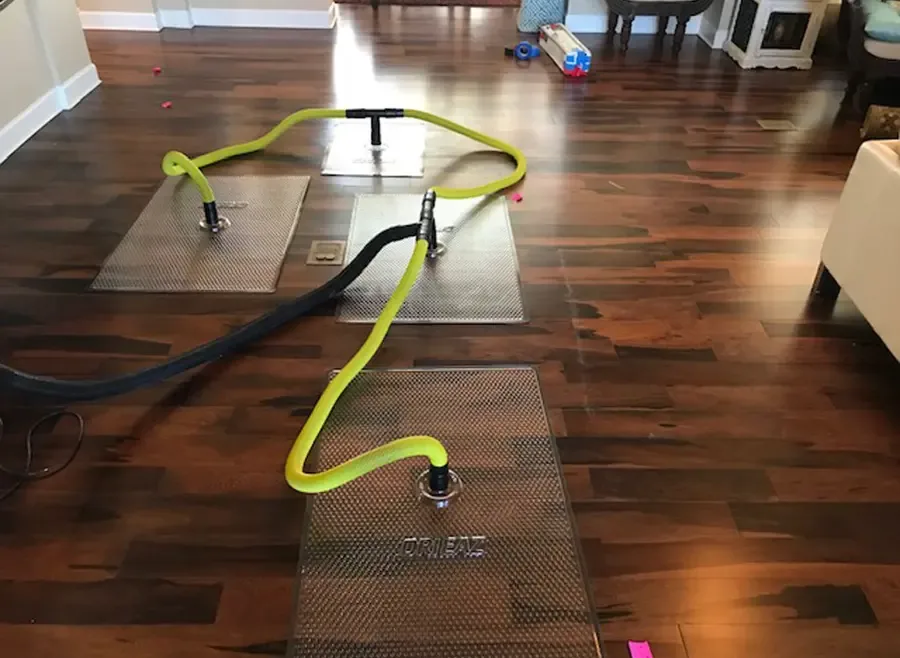
Once the standing water is gone, walls, framing and subfloors still hold moisture. Controlled drying with air movers and dehumidifiers brings them back to normal levels before anything is rebuilt.
(888) 563-9619Plan the drying with a crew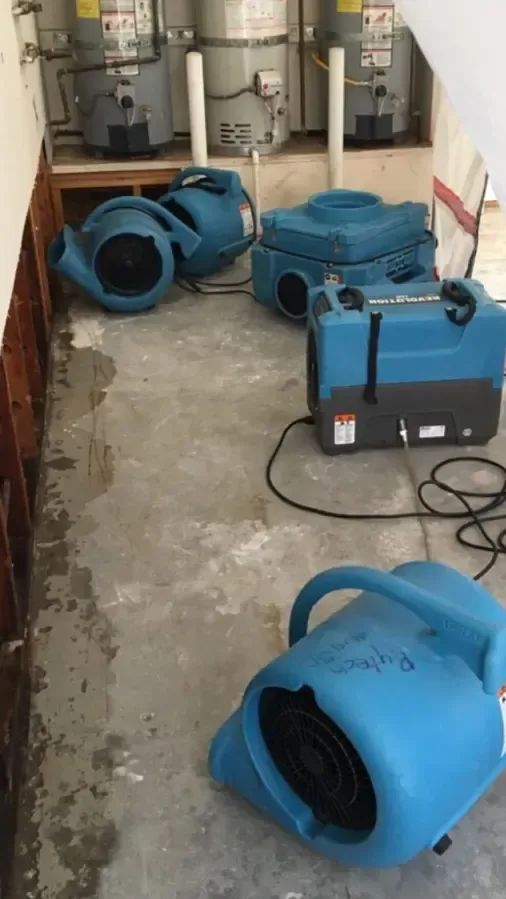
First steps for structural drying and dehumidification
- 1
Classify the loss
The water class sets how much equipment the room needs.
- 2
Place the equipment
Air movers and dehumidifiers go in to match the wet area.
- 3
Read and record
Moisture and humidity are logged at marked spots.
- 4
Adjust and finish
Equipment is moved until every material reads dry.
Useful details for the first call
- Which rooms are wet, and whether a unit or room below is affected
- Whether the water looks clean, gray or like sewage
- When it started and whether the shutoff is closed
How structural drying and dehumidification is held to a standard
Dispatch at any hour
Active water is treated as urgent at night, on weekends and on holidays, with extraction gear and meters on the truck.
IICRC S500 drying
Structural drying sized to the class of loss; the equipment stays until the readings say dry.
A claim file from day one
Moisture map, daily psychrometric logs and timestamped photos taken before anything is removed.
Built for slab homes
Slab-on-grade floors, hillside lots and stacked units each hide water in different places.
What does structural drying and dehumidification cost in La Puente, CA?
Drying cost follows the class of loss and the number of rooms, not just the water that was visible. A small area with a few fans costs far less than a dense material job needing specialty equipment and a longer stay.
Class 1 or 2, one area
- Two or three air movers
- One dehumidifier on site
- Short monitoring period
Class 2 or 3, several rooms
- Air movers in each room
- Larger dehumidifier capacity
- Daily moisture readings
Class 4, dense materials
- Specialty drying systems
- Hardwood or plaster targeted
- Extended stay and testing
Ranges are typical, not a quote: the water category, square footage, material class and how fast drying started move the number most. The water damage cost calculator gives a closer planning range.
How the structural drying and dehumidification job runs
The walkthrough maps moisture before any equipment goes down, so the drying plan matches what is actually wet.
Call in
Describe the loss and rooms.
Loss classed
Class and size set the plan.
Equipment placed
Air movers and dehumidifiers go in.
Monitored daily
Readings drive each adjustment.
Drying is a measured process, not a matter of leaving fans on. Technicians compare readings in wet materials against a dry reference, set equipment based on the room's size and the class of the loss, and return to adjust it until the numbers match. The same method applies to homes and shops in La Puente.
The four classes of loss
- Class 1 affects little material and absorbs slowly.
- Class 2 wets a whole room, including carpet and part of the walls.
- Class 3 comes from above, soaking ceilings, walls and floors.
- Class 4 involves dense materials like hardwood, plaster and stone.
Class sets how much equipment is needed. A Class 2 room may need several air movers and one dehumidifier, while a Class 4 job can need specialty drying systems and a longer stay.
What daily monitoring involves
Each visit, technicians record temperature, humidity and moisture content at marked spots, then move or remove equipment from areas that are dry. Readings that stall point to a hidden pocket of water, which may mean opening a wall or lifting a baseboard. Mold can start in 24 to 48 hours, so steady drying protects more than the structure.
After extraction
Drying follows water extraction on nearly every job. Once readings reach the dry goal, equipment comes out and the rebuild can start. Painting, flooring and drywall repair are separate trades that begin after drying. The La Puente hub lists the other services.
Structural drying and dehumidification across La Puente and nearby communities
Drying crews work throughout ZIP code 91744, in properties around East Main Street, Hacienda Boulevard and Glendora Avenue, and also take jobs in Bassett and Hacienda Heights once the standing water is out.
The same service nearby: structural drying and dehumidification in Rowland Heights, West Covina, Baldwin Park.
Structural Drying and Dehumidification questions in La Puente, CA
How long does structural drying take?
Most jobs run several days, depending on the class of loss, the materials and the humidity indoors. Dense materials like hardwood or plaster can take longer.
Why are the machines so loud?
Air movers push air across wet surfaces and dehumidifiers pull moisture out of it. The noise is the cost of drying in days instead of weeks.
Can a home be lived in during drying?
Often yes, though the equipment is loud and uses electricity. Some jobs require rooms to be closed off, and sewage or storm water losses may require leaving the area.
How does the crew know when the walls are dry?
Moisture meters read the wet materials against readings from dry reference spots in the same home. Equipment stays until the numbers match.
Is the electric bill higher during drying?
Yes, since several fans and dehumidifiers run around the clock. Keeping notes on the equipment and the dates can help when asking an insurer about the added cost.
Dry the structure the right way
Hidden moisture in framing and subfloors keeps causing damage after the standing water is gone. Give the crew the details of the loss and they plan the equipment and monitoring.