Emergency Water Extraction in Walnut, CA
About 96 percent of Walnut's housing units are single-family homes, so extraction is usually a one-house job: pump out the water, pull the soaked pad, and stop the wicking up walls.
(888) 563-9619Call the Walnut pump crew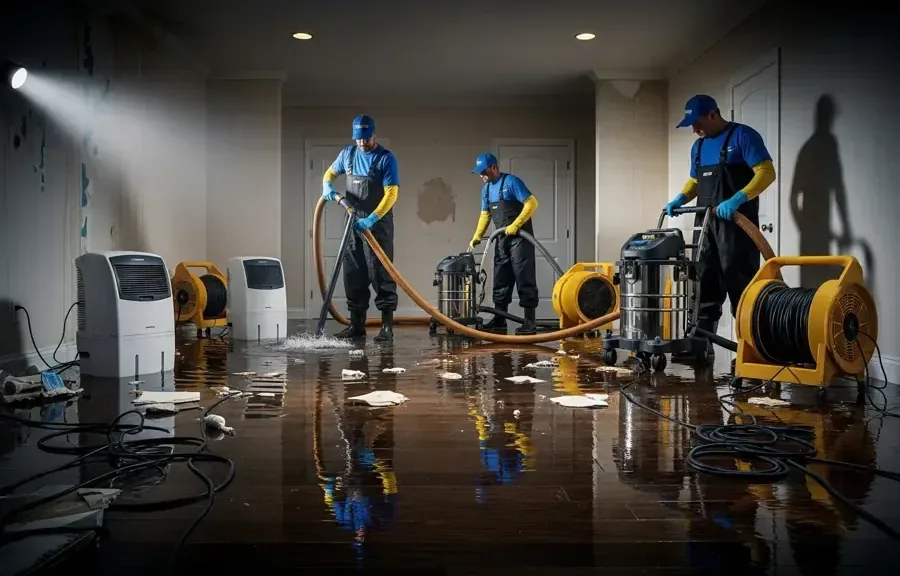
First steps for emergency water extraction
- 1
Find the source
Shut it off and note how far the water has traveled.
- 2
Pump it out
Submersible pumps clear deep water, then wet vacuums take the thin film.
- 3
Lift and inspect
Soaked pad and baseboards come up for photos and meter checks.
- 4
Plan the drying
Readings show what is still wet and where equipment goes.
Useful details for the first call
- Which rooms are wet, and whether a unit or room below is affected
- Whether the water looks clean, gray or like sewage
- When it started and whether the shutoff is closed
How emergency water extraction is held to a standard
Dispatch at any hour
Active water is treated as urgent at night, on weekends and on holidays, with extraction gear and meters on the truck.
IICRC S500 drying
Structural drying sized to the class of loss; the equipment stays until the readings say dry.
A claim file from day one
Moisture map, daily psychrometric logs and timestamped photos taken before anything is removed.
Built for slab homes
Slab-on-grade floors, hillside lots and stacked units each hide water in different places.
What does emergency water extraction cost in Walnut, CA?
Extraction work runs from $300 to $1,500 for a single room, $1,500 to $6,000 when drying is added, and $6,000 to $15,000 for large or contaminated losses. The wet area and the water type move a job between those tiers.
Single room extraction
- One room with clean source water
- Pump and wet vacuum pass
- Basic moisture check of the floor edge
Extraction plus drying
- Air movers and dehumidifier placed
- Soaked pad and baseboards removed
- Readings logged at each visit
Large or contaminated loss
- Several rooms or contaminated water
- Controlled removal of damaged materials
- Full documentation for a larger claim
Ranges are typical, not a quote: the water category, square footage, material class and how fast drying started move the number most. The water damage cost calculator gives a closer planning range.
How the emergency water extraction job runs
The walkthrough maps moisture before any equipment goes down, so the drying plan matches what is actually wet.
Water assessed
Source, category and wet area recorded.
Extraction
Pumps and vacuums remove standing water.
Pad and trim check
Porous layers lifted, metered and photographed.
Drying plan set
Equipment placement and goals written down.
Extraction is the first and most urgent part of a water loss. Water left on a floor spreads sideways into baseboards, wicks up drywall and sinks into the subfloor, so pulling it out early limits how much material has to be torn out later. In Walnut, where about 96 percent of housing units are single-family homes, that usually means one house and one source to chase.
How the water comes out
Crews start with the deepest pooling, using submersible pumps when water stands several inches deep and wet vacuums for the thin layer left behind. Carpet pad that soaked through is normally discarded, while the carpet itself can often be lifted, cleaned and reset. Hard floors get a squeegee pass and a moisture check underneath.
What gets checked next
- Baseboards and the base of drywall, where water wicks upward
- Cabinet toe kicks and vanity bases that trap moisture
- Subfloor and framing along the edge of the wet area
- Insulation and outlets sitting low on the wall
Meter readings decide what stays and what comes out. Anything still wet after extraction moves into the plan described on the structural drying page.
Why house age matters
Because about 87.6 percent of the city's housing units were built before 1990, floors often carry decades of carpet, pad and layered finishes that hold water longer. Rising or contaminated water changes the job and is covered on the sewage backup page, while the broader water extraction service page lists the full scope.
Emergency water extraction across Walnut and nearby communities
Crews reach homes and shops across ZIP codes 91789 and 91788, including streets such as Valley Boulevard and Lemon Avenue, and continue into neighboring Diamond Bar, West Covina and Rowland Heights when a call comes from there.
The same service nearby: emergency water extraction in Rowland Heights, West Covina, La Puente.
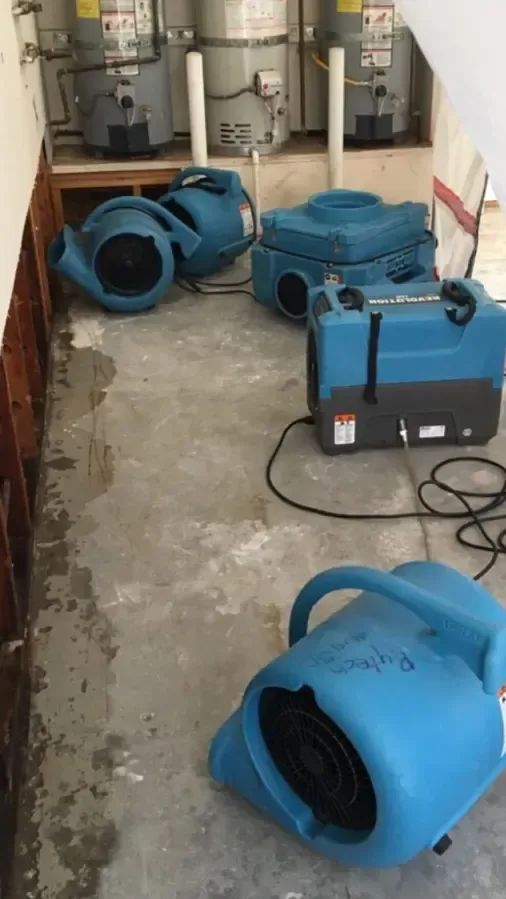
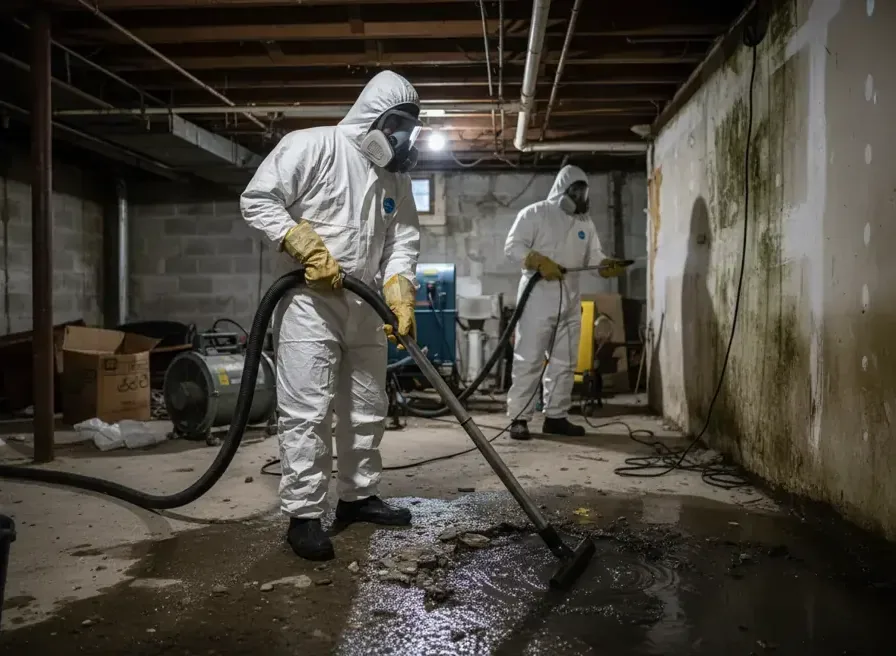
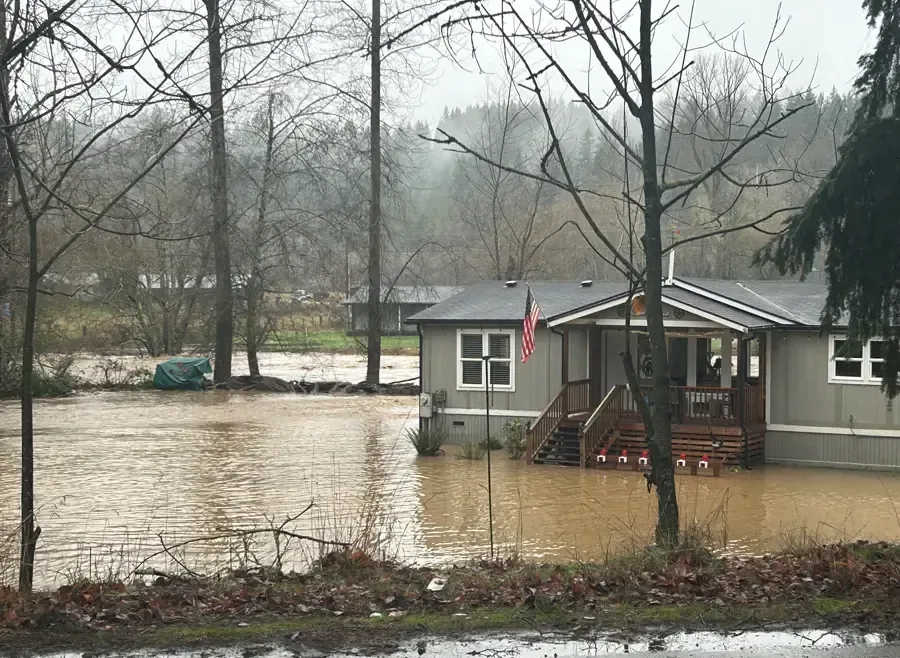
Emergency Water Extraction questions in Walnut, CA
Can carpet be saved after standing water?
Often, yes, if the water was clean and extraction began early. The pad underneath is usually discarded, and the carpet is cleaned, dried and reset, but sewage or storm water changes that answer.
How is extraction different from drying?
Extraction removes liquid water with pumps and vacuums. Drying removes the moisture that remains inside materials, using air movers and dehumidifiers, and it takes longer because the water has soaked in.
Should the main water valve be shut off first?
Yes, when the source is a supply pipe or fixture. Stopping the flow comes before everything else, and power to wet areas should be off if outlets or cords sit in the water.
Does a single family home change the process?
Not the method, but it simplifies the job. A detached house usually has one source, one structure and one owner to coordinate with, which keeps the scope and the claim documentation straightforward.
Do older floors hold water longer?
Layers of old pad, adhesive and underlayment can trap moisture, so readings are taken under the surface rather than judged by how dry the top looks.
Get the standing water out
Water that stays put keeps soaking into the subfloor and walls. Call now, any hour, and describe what is wet so the crew can bring the right pumps.