Flood and Storm Water Cleanup in La Puente
When heavy winter rain pushes runoff toward a garage, doorway or patio, the water brings mud and debris with it. Crews pump it out, clear the muck and dry what got wet.
(888) 563-9619Get help with storm water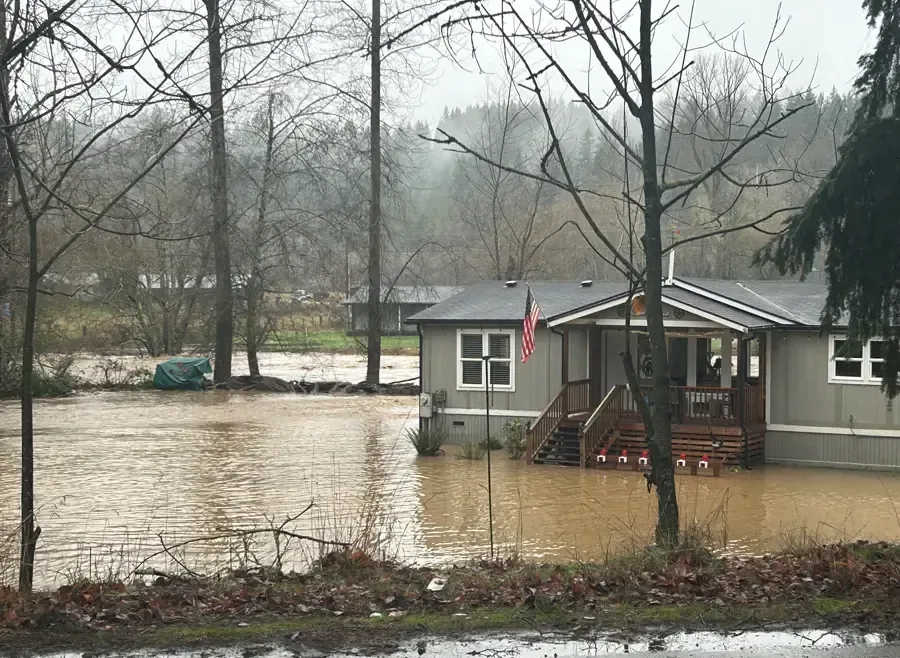
First steps for storm runoff and flood cleanup
- 1
Make it safe
Power to wet areas is checked and the water entry point is noted.
- 2
Pump the water
Deep water goes out first, then extractors clear the floor.
- 3
Remove mud and debris
Silt, soaked contents and ruined materials are hauled off.
- 4
Sanitize and dry
Surfaces are treated, then drying equipment goes in.
Useful details for the first call
- Which rooms are wet, and whether a unit or room below is affected
- Whether the water looks clean, gray or like sewage
- When it started and whether the shutoff is closed
How storm runoff and flood cleanup is held to a standard
Dispatch at any hour
Active water is treated as urgent at night, on weekends and on holidays, with extraction gear and meters on the truck.
IICRC S500 drying
Structural drying sized to the class of loss; the equipment stays until the readings say dry.
A claim file from day one
Moisture map, daily psychrometric logs and timestamped photos taken before anything is removed.
Built for slab homes
Slab-on-grade floors, hillside lots and stacked units each hide water in different places.
What does storm runoff and flood cleanup cost in La Puente, CA?
Storm flooding costs more than a plumbing leak because the water is dirty and often deep. A garage with a few inches of water is a small job, while water across several rooms means removal, sanitizing and longer drying.
Garage or one room
- Pumping and mud removal
- Surfaces washed and treated
- Drying of the wet room
Several rooms
- Water in several connected rooms
- Carpet and pad removed
- Wall cuts to reach cavities
Major storm flooding
- Deep water through the building
- Large scale debris hauling
- Extended drying and monitoring
Ranges are typical, not a quote: the water category, square footage, material class and how fast drying started move the number most. The water damage cost calculator gives a closer planning range.
How the storm runoff and flood cleanup job runs
The walkthrough maps moisture before any equipment goes down, so the drying plan matches what is actually wet.
Call and assess
Depth, entry point and rooms are noted.
Water pumped
Extraction starts with the deepest areas.
Debris cleared
Mud and wet materials leave the building.
Sanitized, dried
Surfaces are treated and drying begins.
La Puente is mostly flat and heavily urbanized, so storm water that gets into a building tends to spread across the whole floor. The February 1927 flood on San Jose Creek, then called Puente Creek, is the confirmed local flood on record: torrential water took out a railroad trestle and flooded roads, houses and other structures.
Storm water is not clean water
Runoff crosses yards, streets and gutters before it reaches a door, so it carries soil, bacteria and chemicals. That puts most storm water in the contaminated categories, and porous items such as carpet, pad and cardboard are usually discarded rather than dried.
What crews do on site
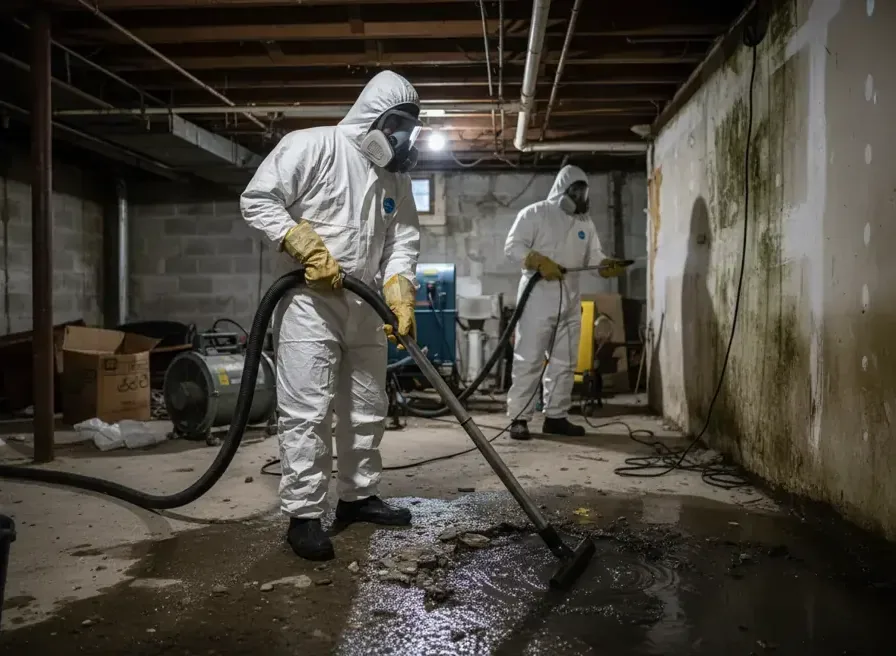
- Pumps move deep water out before smaller extractors finish the floor.
- Mud, silt and debris are shoveled and hauled away.
- Hard surfaces are washed and treated with an antimicrobial.
- Wet drywall, insulation and flooring are cut out where needed.
The city budget lists a Measure W Fund, funded by Los Angeles County, for storm water system maintenance and construction. That fund is for the public storm water system, and a flooded home still needs private cleanup.
Drying after the mud is gone
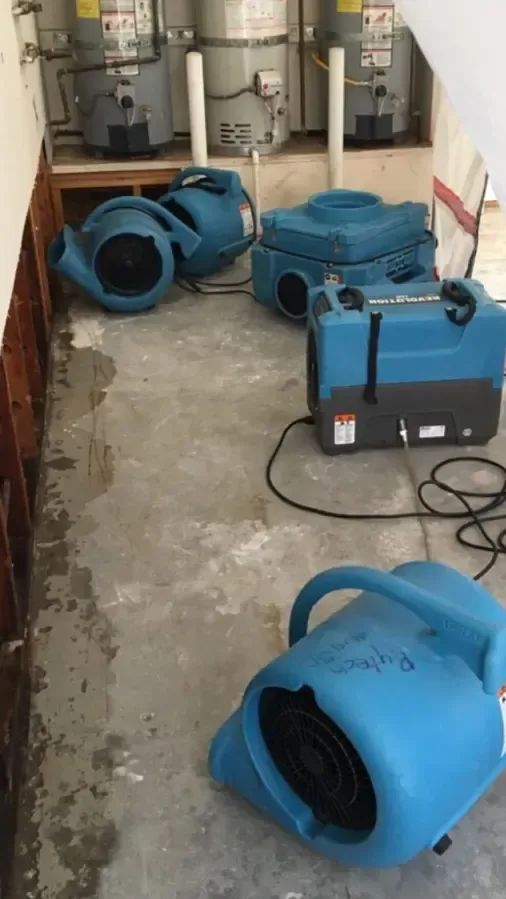
Once the debris is out, wet framing, subfloor and wall cavities still need controlled drying. Structural drying follows the extraction, and the La Puente page lists the other services crews handle.
Storm runoff and flood cleanup across La Puente and nearby communities
Flood and storm water jobs run through ZIP code 91744, covering homes and shops along Hacienda Boulevard and East Main Street, around Glendora Avenue after heavy rain, and also in Bassett and Hacienda Heights.
The same service nearby: storm runoff and flood cleanup in Rowland Heights, West Covina, Baldwin Park.

Storm Runoff and Flood Cleanup questions in La Puente, CA
How deep does flood water have to be to need a crew?
Any water that enters living space and soaks flooring, drywall or contents needs removal. Even an inch can saturate carpet, pad and the bottom of walls.
Is storm water considered contaminated?
Usually, yes. Runoff gathers soil, bacteria and chemicals on its way in, so crews treat it as unsanitary and discard porous materials that soaked it up.
Should wet furniture and boxes be moved out?
Yes, if it is safe. Lifting furniture, rugs and cardboard off wet floors slows the damage, and photos of everything before it is moved help with an insurance claim.
Does homeowners insurance cover flood damage?
Standard homeowner policies often exclude rising flood water but may cover water from a burst pipe or a sudden roof failure. The policy wording decides, so reading it early saves surprises.
How soon can growth start after flooding?
Mold can begin to grow in damp materials within a day or two, which is why pumping, removal and drying move quickly once the crew gets to work.
Clear the storm water and the mud
Muddy water leaves silt and bacteria behind as it sits. Call with the details of what came in, and the crew lays out pumping, debris removal and drying.