Water Extraction in South El Monte
Standing water keeps soaking into pad, baseboards and drywall until it is pumped out. Extraction removes the bulk quickly, so the drying equipment that follows has far less moisture left to fight.
(888) 563-9619Request an extraction crew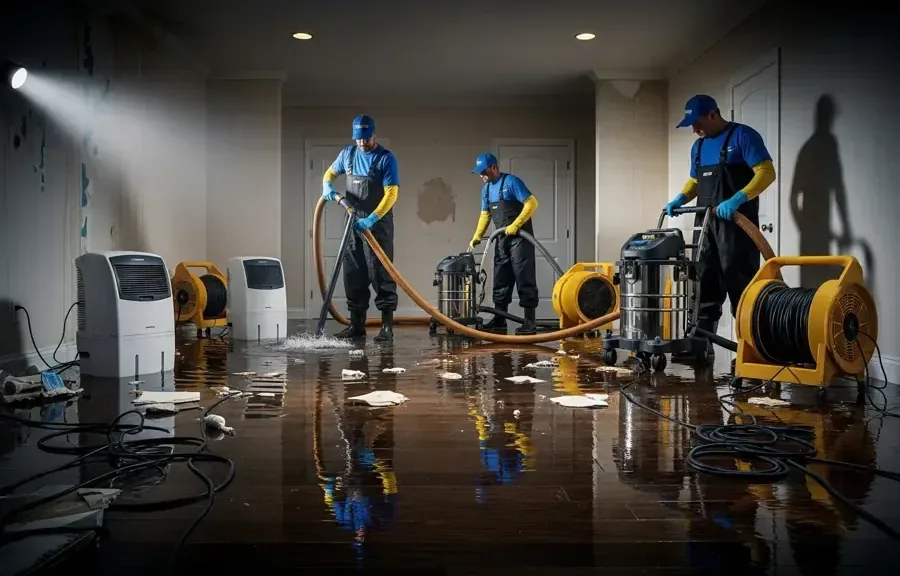
First steps for emergency water extraction
- 1
Contain the source
The leak is stopped so no new water adds to the loss.
- 2
Pump out the bulk
Pumps and wands remove standing water from every affected room.
- 3
Pull wet materials
Soaked pad and unsalvageable baseboards come out, and the subfloor is exposed.
- 4
Check and hand off
Moisture readings set the starting point for the drying plan.
Useful details for the first call
- Which rooms are wet, and whether a unit or room below is affected
- Whether the water looks clean, gray or like sewage
- When it started and whether the shutoff is closed
How emergency water extraction is held to a standard
Dispatch at any hour
Active water is treated as urgent at night, on weekends and on holidays, with extraction gear and meters on the truck.
IICRC S500 drying
Structural drying sized to the class of loss; the equipment stays until the readings say dry.
A claim file from day one
Moisture map, daily psychrometric logs and timestamped photos taken before anything is removed.
Built for slab homes
Slab-on-grade floors, hillside lots and stacked units each hide water in different places.
What does emergency water extraction cost in South El Monte, CA?
Extraction cost depends on how many rooms are wet, whether the water is clean or contaminated, and whether drying equipment follows. The ranges below cover a single room through a large contaminated loss. A written scope replaces guessing once the crew sees the space.
Single room extraction
- One room with clean water
- Pumps and wands do the work
- Short moisture check afterward
Extraction plus drying
- Several rooms are affected
- Soaked pad is pulled out
- Equipment runs for several days
Large or contaminated loss
- Sewage or storm runoff involved
- Walls and flooring opened up
- Monitoring until readings pass
Ranges are typical, not a quote: the water category, square footage, material class and how fast drying started move the number most. The water damage cost calculator gives a closer planning range.
How the emergency water extraction job runs
The walkthrough maps moisture before any equipment goes down, so the drying plan matches what is actually wet.
Call and triage
Source, rooms and water type are noted.
Set up on site
Pumps, wands and moisture meters are placed.
Extract the water
Each room is worked until the wand pulls little.
Read and plan
Readings decide the drying equipment needed.
Extraction is the first real step in a water loss, and it decides how much drying is needed afterward. In South El Monte, 73.1% of housing units were single family detached homes in 2018 and the average household held 3.96 people in 2020, so a typical job involves a busy home with many belongings on the floor.
What the crew removes
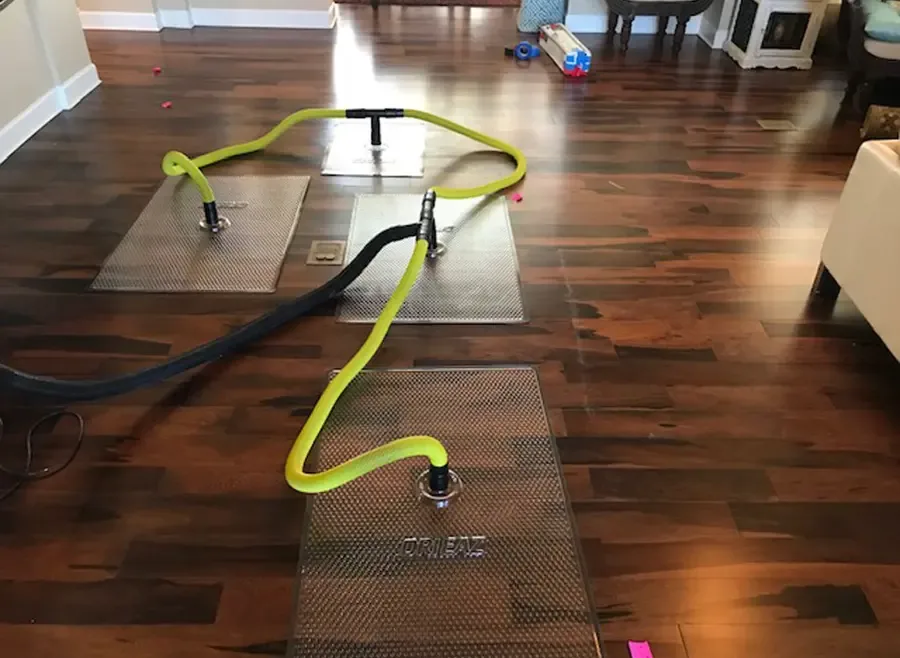
- Standing water on tile, wood, laminate and concrete
- Water trapped in carpet and cushion pad
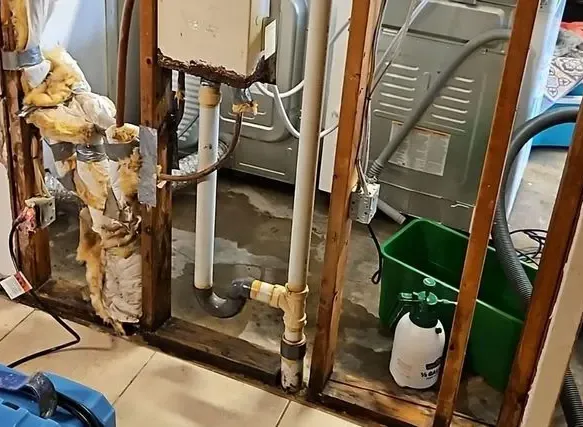
- Wet insulation and soaked materials that cannot dry
- Muddy or dirty water after a drain or storm event
Extraction wands pull water from fibers that fans alone would take days to dry. Carpet pad is usually removed, because it holds water and rarely recovers. Once the bulk is out, structural drying takes over.
Why speed matters
Water moves along baseboards, under doors and into the cavity behind drywall, so a puddle in one room can become damp walls in the next room. The longer materials stay wet, the more likely they need replacement instead of drying, and the closer the loss comes to the 24 to 48 hours in which mold can begin. Early extraction keeps the claim smaller and the repair list shorter.
Contaminated water changes the job
Water from a toilet backup, a washer drain or a storm drain is not clean, and extraction on those jobs includes protective gear and sanitizing. Sewage cleanup is treated as its own category of work. Garages and ground floors that took in storm runoff fall in the same group.
Emergency water extraction across South El Monte and nearby communities
Work reaches ZIP 91733 and the blocks around Santa Anita Avenue, Peck Road and Rush Street, covering single family homes, apartment buildings and the shops and plants on the industrial corridors.
The same service nearby: emergency water extraction in Rowland Heights, Baldwin Park, La Puente.
Emergency Water Extraction questions in South El Monte, CA
How long does water extraction take?
Duration depends on how much water stands and how many rooms are involved; a single room goes much faster than a house with soaked carpet throughout.
Is extraction enough without drying?
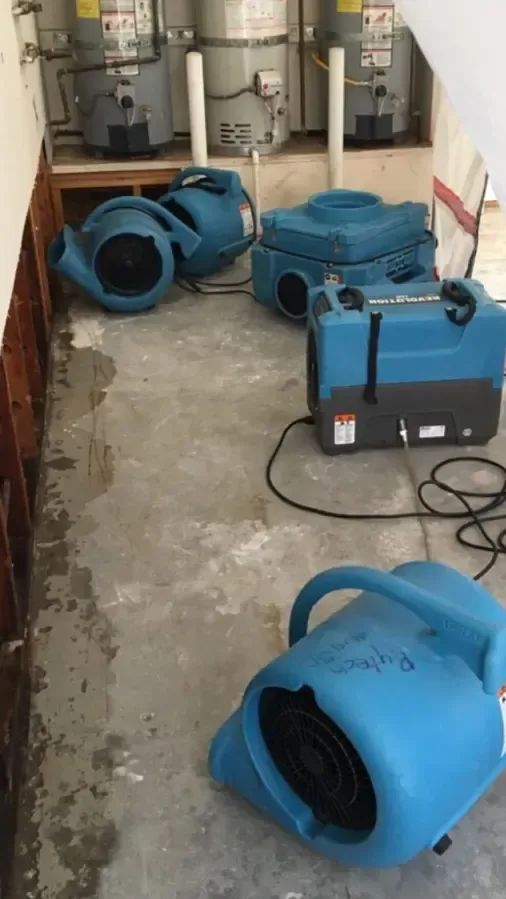
No. Extraction removes liquid water, but moisture stays inside drywall, framing and subfloors. Dehumidifiers and air movers finish the job, and readings confirm when materials are dry.
Can carpet be saved after extraction?
Clean water caught early often leaves carpet recoverable, while the pad usually goes. Water from sewage or storm runoff is different, and carpet that touched it normally comes out.
Does the water company handle damage inside the home?
No. Reports of a water break go to San Gabriel Valley Water Company, while extraction and drying inside the house are done by a restoration crew.
Why do renters need to report water damage quickly?
In 2020, 53.4% of occupied homes here were rented, and a landlord should be told right away. Photos and a written note about when the water was found protect both sides.
What should stay out of the wet area?
Electronics, paper and rugs should be lifted clear, and anyone near sagging ceilings or wet outlets should stay away. Walking on soaked carpet can also push water deeper into the pad.
Get the water out before it settles in
Pumps, wands and moisture meters arrive ready to work. One call starts extraction, and the drying plan follows from what the readings show.