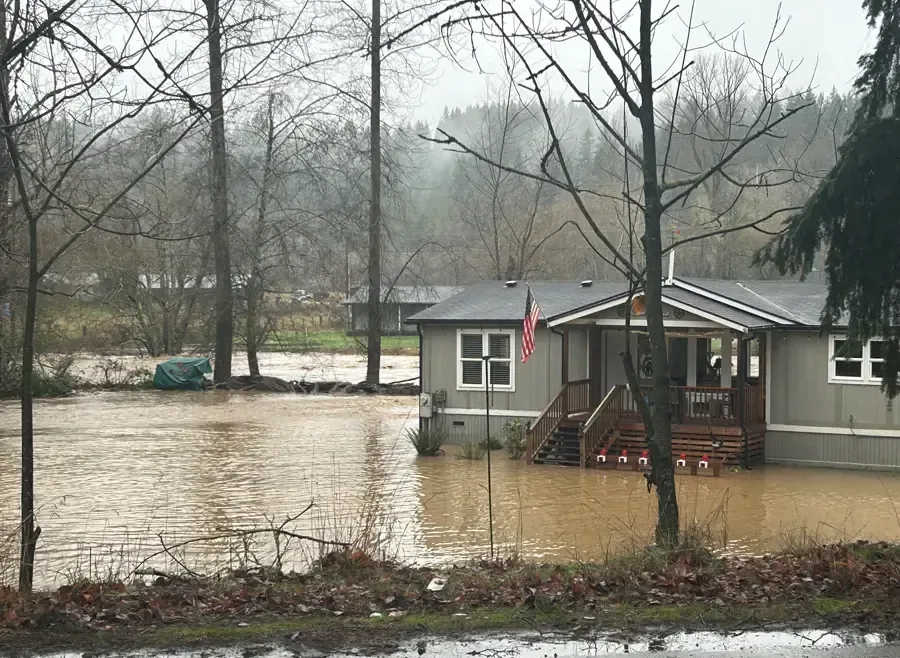
Heavy rain does not always stay outside. The city has already studied where storm water collects here, and an owner who finds water at a door or in a garage can use those plain facts to decide what to do first.
Key takeaways
- The Barnes Park Multi-Benefit Stormwater Capture Project covers a drainage area of over 440 acres, and its stated goals include reducing localized flooding.
- A city safety document says only minor flooding has occurred in the past, so water inside a home is a loss to act on, not a reason to panic.
- Storm water that enters a building is treated as contaminated because it carries mud, oil and whatever the drains pick up.
- Standing water comes out first, then soaked porous materials are removed and the rest is dried against moisture readings.
- Photos and readings taken early help with any claim.
Why storm water is a recognized concern
The City of Baldwin Park is carrying out the Barnes Park Multi-Benefit Stormwater Capture Project to meet Los Angeles County stormwater permit requirements and the Upper San Gabriel River Enhanced Watershed Management Program.
The project captures runoff from a drainage area of over 440 acres. Water comes from the storm drain on Bess Avenue and from surface diversions on Patritti Avenue and Syracuse Avenue south of Barnes Park.
Added improvements at Barnes Avenue and Aukland Street and at Syracuse Avenue and Finchley Street address local flooding that was observed in the drainage area. In plain terms, rain water reaching buildings is a known local concern.
The goals of the project include reducing localized flooding and reducing local dependency on imported water through groundwater recharge. In the design storm it is planned to capture over 16 acre feet of runoff, over 5 million gallons.
What the city says about flood risk
A City of Baldwin Park public safety document states that only minor flooding has occurred in the past. It adds that most major storm waters are handled by the San Gabriel River and the Big Dalton Wash, among other channels.
The city's storm readiness guidance also says El Niño can increase the potential for heavy rain, flooding and landslides. Baldwin Park lies within the Upper San Gabriel River Watershed.
None of this tells an owner whether a particular house will see water. It does explain why the area around Barnes Park has had attention from the city.
First steps when water is coming in
The goal in the first minutes is safety, then keeping dry things dry.
- Stay out of standing water if outlets, cords or appliances are in it, and have the power to that area shut off at the panel if that can be done safely.
- Move shoes, boxes, small furniture and electronics to dry, higher spots.
- Divert water at a door only when it is safe, and never wade into deep or moving water.
- Photograph how high the water reached on the walls and the items that got wet before anything is moved.
- Keep the garage door and other openings that face the runoff closed.
Garages, patios and the low side of a lot
Water follows gravity, so the first places it shows up are usually a garage door, a back patio door or the lowest room on the property. Stored boxes and tools on a garage floor soak first.
A garage slab usually dries well once the standing water is out. The walls it shares with living space are what need careful readings.
- Lift stored items onto shelves or pallets before the next storm.
- Check the walls that share the garage for damp drywall and wet insulation.
- Look behind furniture and under rugs near doors for hidden wet spots.
- Keep a note of where the water entered, since it helps a plumber or contractor look at drainage later.
Why rain water counts as contaminated
Storm water picks up soil, oil, fertilizer and bacteria on its way across yards and streets. Once it is inside, it is handled with more care than a clean supply pipe leak.
That treatment decides what stays and what goes.
Water also wicks upward inside drywall and behind baseboards, so a wall that looks dry on the surface can still read wet.
- Carpet and pad that sat in storm water are usually removed.
- Drywall and insulation that wicked the water upward are cut back to dry material.
- Concrete, tile and sealed wood are cleaned and treated, then dried.
- Wet cardboard, upholstered pieces and particleboard cabinets are often discarded.
Extraction and drying
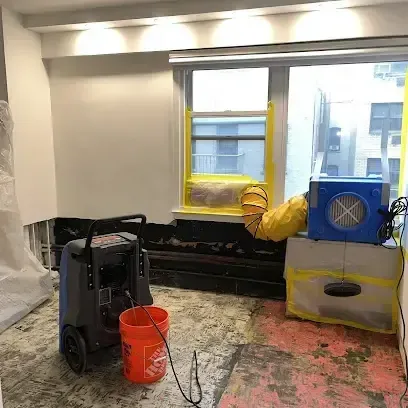
The first job is pulling out the standing water. Crews use portable pumps and extractors, and the water extraction service describes how that work is staged.
Once the surface water is gone, the crew takes moisture readings in walls, flooring and framing, then sets air movers and dehumidifiers. The storm and flood cleanup service covers the sequence from mud removal to a dry reference reading.
Drying continues until affected materials match a dry spot in the same house. Wet drywall left in place can start growing mold in a day or two, which is one more reason removal is not put off.
A typical visit includes photos of the water depth and entry points, pumps and mud removal, cutting back wet wall bottoms and repeated readings, so the household can watch the numbers move toward dry.
Records, the building division and next steps
The Baldwin Park Building and Safety Division lists responding to the loss or damage of structures due to natural disasters among its functions, so questions about a damaged structure can start there.
Keep photos, receipts, the date and the drying readings in one folder for the insurer.
A simple log helps: the date and time the water appeared, how high it got, what was moved and every phone call or message with an insurer or landlord.
Owners and renters can see every service on the Baldwin Park water damage restoration hub. For the wider picture of runoff losses, read about storm runoff and flood cleanup.
Questions
Is Baldwin Park known for flooding?
A city safety document says only minor flooding has occurred in the past. The city is also working on a stormwater capture project because localized flooding was observed in one drainage area.
Is the Barnes Park project finished?
The city describes the project by its plan and goals: capturing runoff for groundwater recharge and reducing localized flooding. Owners who want current status should ask the city.
Can rain water damage be cleaned and dried, or must everything go?
Hard surfaces are cleaned and dried. Porous materials such as carpet pad and wet insulation are usually removed because they hold contaminants.
Should the power be turned off?
If water is touching outlets, cords or appliances, the power to that area should be shut off at the panel by someone who can reach it safely, or by an electrician.
Does homeowners insurance cover rain water that enters a house?
It depends on the policy and on how the water got in. Surface water and flood damage are often handled differently from a roof leak, so the policy wording matters.
Should wet drywall be checked even if it looks fine?
Yes. Water wicks up behind the paint above the visible stain, so readings, not appearance, show how far it went.